


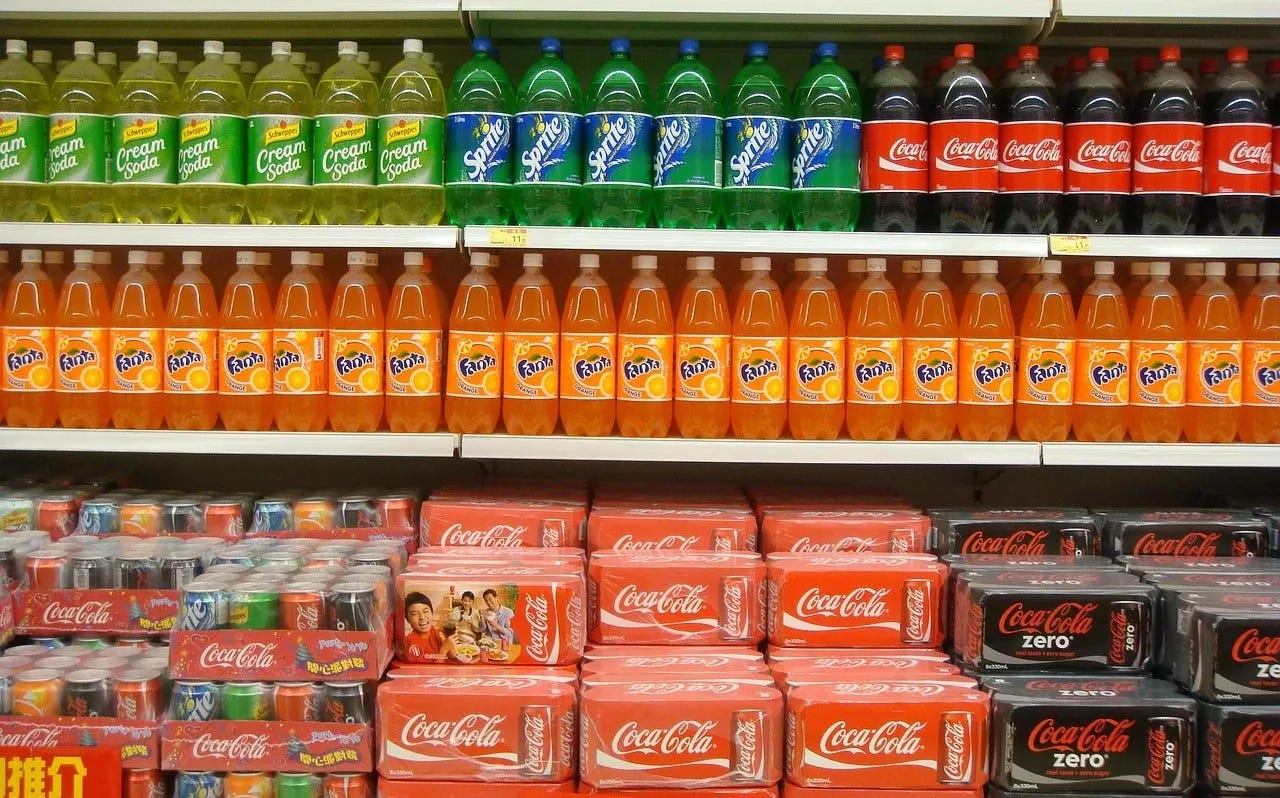
Vermont is moving toward a major change in how 65,000 residents use food assistance. The state’s version of the Supplemental Nutrition Assistance Program (SNAP), known as 3SquaresVT, is slated for a “junk food ban” that would restrict the purchase of items like soda and candy.
The Hidden Fiscal Driver: A Triple Cost Increase
While many recent reports focus on the “health” debate, the underlying driver is a massive shift in how much Vermont must pay to keep food assistance running. In July 2025, a federal law called the One Big Beautiful Bill Act (OBBBA) fundamentally changed the program’s math.
For decades, the federal government paid 100% of food benefits and split the paperwork costs 50/50 with states. Starting in late 2026, the federal share of administrative costs will drop to 25%, effectively tripling Vermont’s bill for running the program. This creates a multi-million dollar hole in the state budget that officials are now under extreme pressure to fill.
Protecting the Budget from Penalties
The push for a “junk food ban” serves as a financial shield against new federal penalties. Starting in 2027, if a state’s “payment error rate” exceeds 6%, the state is no longer fully covered—it must start paying for a portion of the food benefits out of its own pocket. For Vermont, even a small error could cost taxpayers over $7.5 million a year.
By banning items that are already on the state’s “taxable food” list—like soda and candy—the state can use existing technology to automatically block these purchases at the register. This automation is designed to keep error rates low and avoid these new “benefit bills.” Furthermore, seeking this ban helped Vermont secure an initial $200 million grant from the Rural Health Transformation Fund, a critical lifeline used to offset the broader federal funding cuts.
Partisan Divide and Executive Action
A key detail often missed in the headlines is that this ban does not require a vote in the Vermont Legislature. It is an executive branch decision handled through a federal waiver process. This has created a sharp partisan divide, as Democratic and Progressive lawmakers have generally opposed the move.
Opponents and advocacy groups argue the ban is “experimental” and targets the autonomy of low-income families. They note that USDA research shows food stamp recipients buy roughly the same products as other shoppers, but often rely on processed goods because they are the most affordable calories for families living on a tight budget.
The Burden on Local Retailers
If the ban is implemented, grocery store clerks become the primary “referees.” Retailers face permanent removal from the SNAP program if they fail to block restricted items. Because definitions of “junk food” vary by state, national chains and local grocers must manage complex, state-specific databases to ensure compliance, leading to concerns about longer checkout lines and increased stigma at the register.
What Happens Next
The state is currently in the early stages of deciding exactly which foods will be restricted. Vermont officials plan to hold public meetings in the spring of 2026 to gather input from residents and store owners. Following these meetings, the state will submit its formal request to the federal government, with the goal of starting the restrictions in late 2026.
Solid, multifaceted, and balanced reporting on a story that would be so easy to make one-sided. Thanks Compass!