


Across the United States, millions of homes sit safely in designated floodplains. They survive floods, keep insurance costs manageable, and house families who need places to live. Meanwhile, Vermont—facing a historic housing shortage—continues to build homes with basements that become catastrophic liabilities the moment rivers rise.
The tension came into sharp focus this week in Waterbury, where a proposed housing project at the Stanley-Wasson site is drawing scrutiny for its proximity to the 100-year flood zone. The skepticism is understandable—Vermont communities watched catastrophic flooding in 2023 destroy homes, businesses, and critical infrastructure. But the question worth asking is whether Vermont’s approach to flood-zone construction is actually protecting residents—or creating the very vulnerabilities that make floods so devastating here.
The National Reality: Floodplain Housing Is Normal
The idea that building near water is inherently reckless doesn’t hold up to national scrutiny. Between 2001 and 2019, approximately 844,000 residential units were constructed on 2.1 million acres of designated floodplain across the country. That’s not a fringe practice—it’s a standard component of American housing.
Research from the Association of State Floodplain Managers indicates that developers are actually building in floodplains at lower rates than random site selection would predict—evidence that federal, state, and local regulations are working. The difference is how those homes are built.
In coastal Virginia, where the water table is high and floods are common, nearly 86% of new homes use slab foundations or pilings. In high-risk coastal zones, structures go up on elevated pilings that let storm surges pass harmlessly beneath. These homes survive floods. Their owners carry affordable insurance. Life goes on.
Vermont takes a different approach. In New England, 67.2% of new single-family homes include full or partial basements—subterranean spaces that become death traps for building systems when water arrives.
Vermont’s Self-Inflicted Vulnerability: The Basement Problem
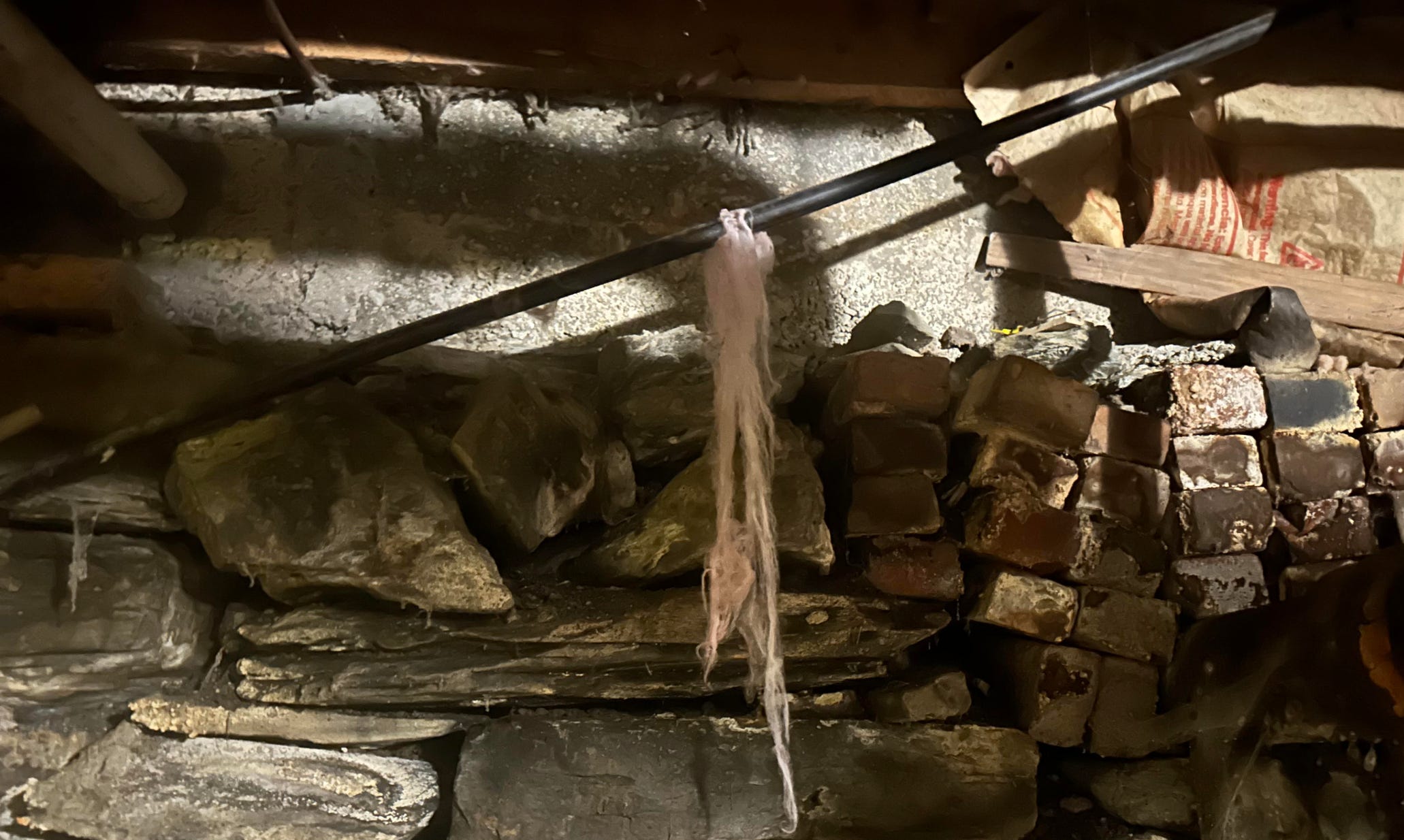
During the 2023 floods, many homes in Montpelier that weren’t even in designated floodplains suffered catastrophic damage because their basements filled with water. HVAC systems, electrical panels, hot water heaters—all destroyed. Even when the first floor stayed dry, the entire structure became uninhabitable.
The physics are unforgiving. Saturated soil exerts massive hydrostatic pressure against basement walls. If the basement stays dry, that pressure differential can cause walls to bow or collapse. If the basement floods, the water stays trapped after exterior levels recede, leading to rapid mold growth and saturation of wooden floor joists. In Montpelier’s Capitol Complex, even state buildings with flood-proofing measures suffered significant damage to electrical systems and interior materials.
This isn’t a flood problem. It’s a building design problem. Vermonters keep constructing homes with a fundamental weakness, then expressing surprise when that weakness becomes a crisis.
Why Vermont Builds This Way: Frost, Energy Codes, and Economics
There’s a reason Vermont homes have basements while Virginia homes don’t: the frost line. In coastal North Carolina, foundations only need to reach about six inches below grade. In Vermont, the frost line extends 54 to 60 inches into the soil. Builders need to anchor foundations below that depth to prevent frost heave—the phenomenon where freezing groundwater expands and pushes structures out of alignment.
If you’re already digging five feet down, the logic goes, you might as well create usable basement space. That logic made sense when rivers stayed in their channels. It doesn’t make sense anymore.
The alternative—building on pilings like they do in the South—faces a second barrier in Vermont: the state’s Residential Building Energy Standards. In a traditional basement home, the ground acts as a thermal buffer. In an elevated structure, the entire floor is exposed to frigid Vermont winters. The 2024 energy code requires floors over open air to achieve R-38 insulation with airtightness standards of 0.15 CFM50 per square foot—technically difficult and expensive for elevated construction.
Then there’s the cost. A traditional slab foundation might run $5,000 to $13,000. A resilient helical piling system suitable for Vermont’s frost conditions can cost $65,000 to $95,000. In a housing market where site work alone can run upward of $235,000, that premium can make workforce housing projects financially impossible.
Regulation That Creates Risk: The ‘No Adverse Impact’ Paradox
Following the 2023 floods, Vermont enacted the Flood Safety Act (Act 121), which establishes some of the nation’s most stringent floodplain development rules. The law mandates “No Adverse Impact” standards, meaning new development cannot increase flood heights or velocities for neighboring properties.
The intent is sound: protect existing homeowners from increased flood risk. The effect is more complicated. By making floodplain development extremely difficult, Vermont is pushing housing construction away from village centers with existing infrastructure toward previously undeveloped areas—often hillsides that create their own environmental and infrastructure challenges.
Combined with Act 250’s Criterion 1D requirements for larger developments, Vermont’s regulatory structure creates a paradox: rules designed to prevent flood damage effectively prevent the flood-resilient housing that could actually withstand Vermont’s increasingly volatile weather.
Meanwhile, existing basement-style homes continue to flood. The regulatory framework focuses intensely on where housing goes while doing relatively little to change how that housing is built.
Proof It Can Work: The Taylor Street Example
Vermont already has evidence that flood-zone housing can work. The Taylor Street Apartments in downtown Montpelier—30 mixed-income units sitting one block from where the Winooski River meets its North Branch tributary—emerged from the 2023 floods completely unscathed while surrounding buildings suffered devastating damage.
The difference was design. Housing units occupied the second through fourth stories. The ground floor functioned as a bus depot using flood-tolerant materials. When water came, it passed through and receded. No basement meant no trapped water, no destroyed mechanicals, no prolonged recovery.
The catch: this $8 million project took 20 years to plan, permit, and fund, requiring a complex mix of federal earmarks, housing bonds, and tax credits. That timeline and complexity isn’t replicable at the scale Vermont needs. The state requires an estimated 36,000 housing units. It cannot take two decades per project.
What Other States Do Differently
Vermont isn’t alone in facing flooding challenges, but its response differs from regional peers. Connecticut requires a mandatory 2-foot freeboard for buildings in 100-year floodplains—a construction standard rather than a prohibition. Massachusetts cities like Peabody are moving forward with downtown affordable housing in flood-prone areas, relying on improved stormwater management and elevated design rather than outright avoidance.
Even New Jersey—hardly a state known for environmental laxity—has reduced floodplain development through simple mechanisms like zoning adjustments and mayoral directives while still allowing appropriately designed construction where infrastructure already exists.
The common thread: these states focus on how structures are built, not just where. Vermont’s emphasis on location restrictions without comparable investment in construction standards leaves the state blocking resilient housing while failing to address the vulnerability of existing buildings.
Finding the Compromise
Vermont faces a genuine dilemma. Climate change is making floods more frequent and severe—intense two-day storms have increased 74% since the early 20th century. The state legitimately cannot afford to repeat the losses of 2023. But it also cannot afford a housing market where median prices exceed $400,000 while new construction faces regulatory and technical barriers at every turn.
A responsible compromise might include several elements:
Financial incentives for resilient foundations. If helical piling systems cost $60,000 to $90,000 more than traditional construction, offsetting that premium for workforce housing would make flood-resilient design financially viable.
Energy code flexibility for elevated structures. Vermont’s Building Energy Code Study Committee has noted the technical challenges of meeting current standards with elevated construction. Developing specialized insulation approaches for piling-supported structures could remove a significant barrier.
Watershed-scale flood mitigation. The Waterbury case includes discussion of floodplain restoration projects that would lower regional flood levels. Investing in landscape-level solutions could reduce the hydrologic burden on individual housing sites.
Construction standards alongside location restrictions. “No Adverse Impact” rules make sense for traditional construction that displaces water. They make less sense for elevated structures designed to let water pass through.
What Happens Next
The Waterbury project remains under consideration, with the developer exploring designs that would place housing on pilings above a parking structure. Whether the project moves forward will depend on navigating the intersection of Act 250 requirements, local concerns, and the engineering challenges of building resilient housing in a cold climate.
Broader legislative attention may emerge as communities across Vermont confront similar questions. The Agency of Natural Resources has called for
“decisive action” on housing, acknowledging that the state can protect its environment while building the housing it needs. Whether that call translates into policy changes that address Vermont’s unique engineering challenges remains to be seen.
For now, Vermont remains caught between two realities: a housing crisis that demands more construction and a climate reality that makes traditional construction increasingly risky. The path forward likely requires not just deciding where to build, but fundamentally changing how