


Vermont Senator Peter Welch’s legislation to restrict military burn pits has cleared its final major hurdle and is expected to become law within weeks. The Waste and Illegal Property Eradication (WIPE) Act, co-sponsored by Welch and California Representative Raul Ruiz, was incorporated into the massive National Defense Authorization Act for Fiscal Year 2026, which the House passed December 10 by a vote of 312-112. The Senate is expected to approve the defense package before the end of the year.
What Burn Pits Are and Why They Matter
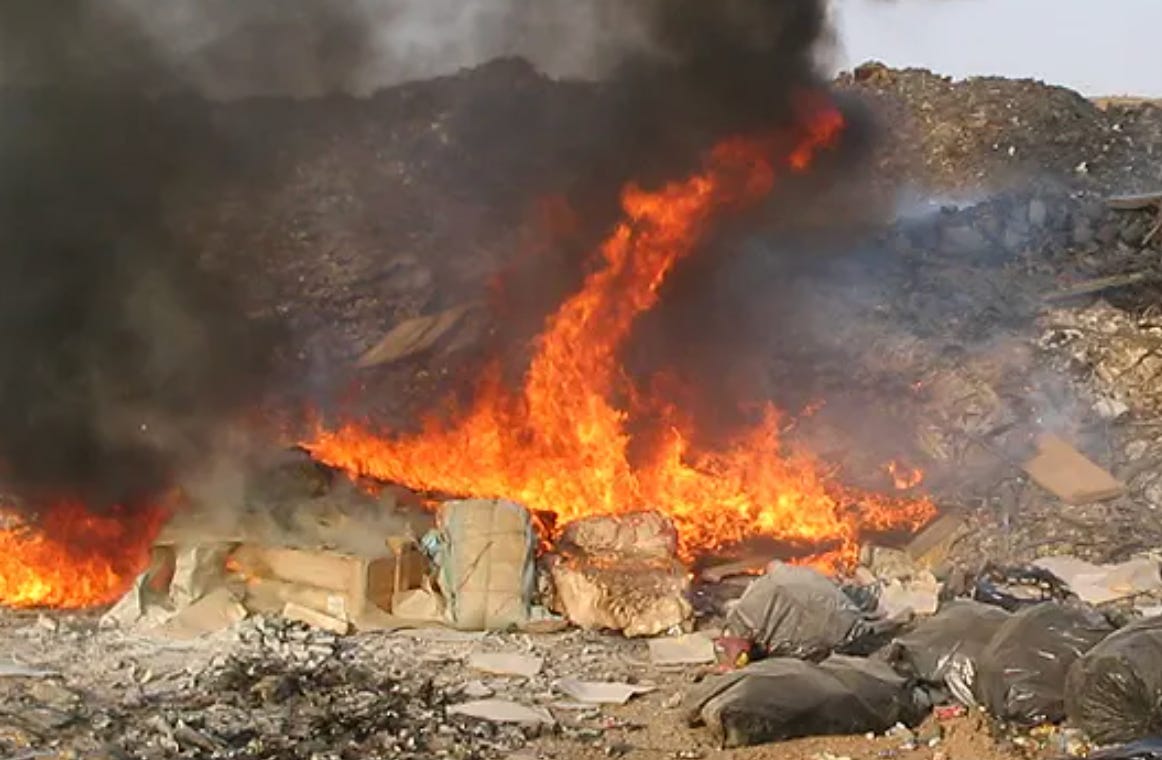
Military burn pits are open-air waste disposal sites used at forward operating bases and other military locations. Troops have historically burned everything from dining hall garbage and construction debris to electronics and medical waste in these pits, often dousing materials with jet fuel to accelerate combustion. The toxic smoke from these fires has been linked to respiratory illnesses, cancers, and other serious health conditions in veterans who served near them.
The issue gained national prominence as thousands of Iraq and Afghanistan veterans returned home with mysterious illnesses. The PACT Act, passed in recent years, expanded healthcare coverage for veterans exposed to burn pit smoke, but didn’t address the continued use of the pits themselves.
What the WIPE Act Actually Does
The legislation creates a targeted prohibition rather than a complete ban. According to the bill text, the Secretary of Defense “may not use open-air burn pits for the disposal of illicit contraband, classified military equipment, or hazardous waste materials.”
This means the military can no longer use burn pits for three specific categories:
Illicit contraband — Seized narcotics and counterfeit goods, which release unique toxic plumes when burned
Classified military equipment — Sensitive items like maps, hard drives, and cryptographic gear that were previously doused in fuel and burned to prevent enemy capture
Hazardous waste materials — A category that could be significant depending on how strictly the Defense Department defines “hazardous waste”
The law doesn’t technically prohibit all burn pit use. If the military classifies general mixed refuse as “municipal solid waste,” some burning could theoretically continue, provided the specifically designated hazardous materials are separated.
The Technology Replacement
Instead of burn pits, the legislation authorizes the Secretary of Defense to use “expeditionary solid waste disposal systems” — essentially mobile incinerators. These systems must be capable of destroying classified materials and supporting border security and contraband elimination operations.
This represents a significant logistical shift. Burn pits were simple — dig a hole, add fuel, light a match. Expeditionary incinerators require fuel to reach high temperatures, regular maintenance, and transport capacity to move them into theater. The bill mandates this change happen without increasing overall defense spending, requiring the Defense Department to shift funds from other operations and maintenance accounts.
The Bipartisan Path to Inclusion
The WIPE Act was introduced with bipartisan support, with Republican co-sponsors including Representatives Gus Bilirakis and Senators Thom Tillis and Lisa Murkowski alongside Democrats. This cross-party appeal proved crucial for its survival in a highly partisan environment.
The broader defense bill carrying the WIPE Act was shaped by the incoming Trump Administration’s “Peace Through Strength” agenda. The $900.6 billion package includes significant increases for submarine programs and other military hardware, while also incorporating provisions to eliminate Diversity, Equity, and Inclusion offices within the Pentagon and end certain climate change initiatives.
The Political Trade-Offs
The final defense bill represents a complex set of compromises. Democrats like Welch voted for a package that dismantles some social programs within the military, while Republicans accepted provisions like the WIPE Act focused on veteran health. The bill also reportedly removed protections for the recent renaming of military bases that had previously honored Confederate generals, a concession that drew criticism from some Democrats.
For Welch and other Democratic sponsors, the WIPE Act provided a tangible health victory for veterans that helped justify supporting the larger package.
What Happens Next
The Senate is expected to vote on the conference report before the holiday recess. The Senate previously passed its version of the defense bill by a 77-20 vote in October, and the final reconciled version is widely expected to pass with strong bipartisan support.
After Senate passage, the bill heads to President Trump’s desk. Given that the conference report accommodated his key demands — including the codification of certain executive orders and addressing the base naming controversy — he is expected to sign it into law.
Implementation Timeline
While the law would take effect upon the president’s signature, the practical elimination of burn pits will take considerably longer. The Defense Department must procure the expeditionary incinerators, train operators, and distribute the units to remote outposts around the world. This procurement and deployment process typically spans multiple years.
Veteran advocacy groups will likely monitor implementation closely to ensure the Defense Department’s definition of “hazardous waste” aligns with the law’s intent to protect service members from toxic smoke exposure.
For Vermont veterans and military families, Senator Welch’s successful navigation of this legislation through the complex defense authorization process represents a concrete policy achievement focused on preventing future generations from facing the health consequences that thousands of veterans currently experience.