


Netflix has announced plans to acquire the streaming and studio assets of Warner Bros. Discovery in an $82.7 billion transaction that would represent the largest consolidation in modern media history. The definitive agreement, reached December 5, 2025, would give Netflix control of premium properties including HBO, the DC Studios franchise, and Warner Bros.’ century-old film library.
How the Transaction is Structured
Under the deal’s structure, Warner Bros. Discovery plans to separate its traditional television networks—including CNN, TNT, and Discovery Channel—into a standalone company called “Discovery Global.” This “spin-merge” arrangement allows Netflix to acquire the studio and streaming assets while avoiding the financial burden of declining cable television operations.
Vermont’s Welch Raises Monopsony Concerns
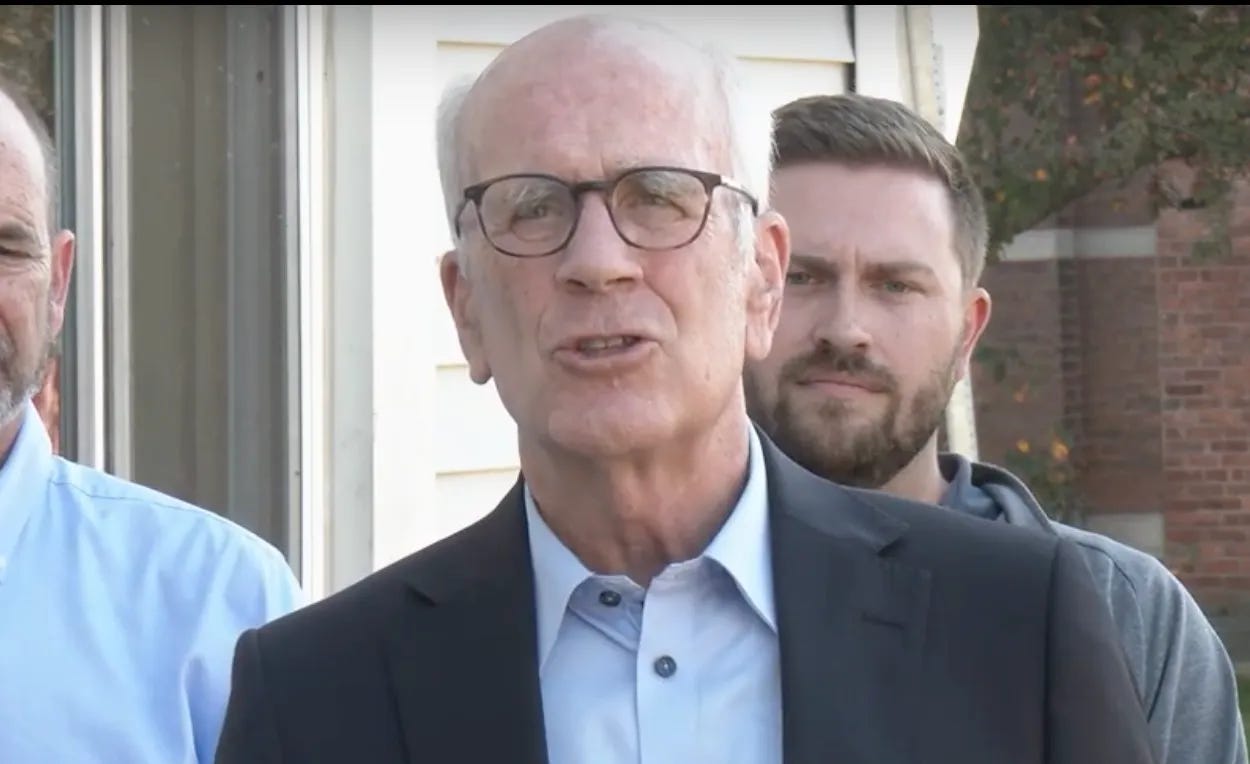
U.S. Senator Peter Welch took center stage at a February 3, 2026 Senate Judiciary hearing examining the merger. The Vermont Democrat focused his questioning on what economists call “monopsony power”—the harm that occurs when fewer buyers exist in a market, giving remaining purchasers excessive leverage over sellers.
In this case, Welch argued that consolidating major content buyers would force creators to accept unfavorable terms from a dominant gatekeeper. His particular concern centers on how this market concentration intersects with artificial intelligence technology.
The AI-Powered Content Question
Welch’s inquiry explored whether the merged entity would use AI to replace human creativity. By acquiring Warner Bros.’ extensive library—including franchises like Harry Potter and DC Comics—Netflix would gain vast amounts of content that could serve as training data for generative AI models.
When pressed about residual payments to creators, Netflix Co-CEO Ted Sarandos noted that Netflix “pre-pays” compensation, a response critics interpret as leaving room for AI-generated content that would bypass traditional union residuals entirely.
The 2022 Merger Precedent
Welch cited Writers Guild of America data showing that the 2022 WarnerMedia-Discovery merger resulted in approximately $2 billion in content cancellations and write-offs. The guild’s analysis found these cuts disproportionately affected productions featuring underrepresented creators, including shows like Gordita Chronicles.
The “It’s Happening Anyway” Defense
Netflix executives offered multiple counter-arguments. Sarandos claimed the merger would protect creative jobs because “we actually need these people” and “need those movies,” arguing that Netflix lacks Warner Bros.’ studio infrastructure and would therefore invest in maintaining production operations.
Senator Josh Hawley of Missouri characterized current AI training practices as “the largest intellectual property theft in American history” during related hearings, suggesting AI’s impact on creativity extends beyond any single merger.
Competing Financial Claims
Warner Bros. Discovery executive Bruce Campbell testified that content investment has grown since the 2022 merger. However, SEC filings show the company’s content revenue decreased 19% in Q4 2023 and was down 8% year-over-year for 2024. The company’s costs of revenues fell 26% in late 2023, primarily due to reduced content spending during the writers’ and actors’ strikes.
Executive Compensation in Focus
The merger triggers substantial executive payouts. According to regulatory filings, Warner Bros. Discovery CEO David Zaslav would receive a $567 million golden parachute, while Campbell stands to collect $138 million.
Welch’s Legislative Response
The Vermont senator has introduced two bills addressing AI and creator rights. The TRAIN Act (Transparency and Responsibility for Artificial Intelligence Networks Act) would allow creators to subpoena AI developers to determine whether their work was used to train models.
His VACRA (Visual Artists Copyright Reform Act) aims to simplify copyright registration for high-volume creators like photographers, addressing what Welch sees as bureaucratic barriers facing individual artists competing against large platforms.
What Happens Next
The merger requires approval from federal regulators and Warner Bros. Discovery shareholders. The Senate Judiciary Subcommittee’s hearing represents the beginning of congressional scrutiny that could extend for months. Labor unions including the Writers Guild have characterized the deal as an “unprecedented threat” to creative diversity.
Welch’s TRAIN Act and VACRA bills remain in committee. If the Netflix acquisition proceeds, their passage could determine whether individual creators retain leverage in negotiating with a consolidated entertainment industry increasingly shaped by artificial intelligence.
The Federal Trade Commission and Department of Justice will conduct antitrust reviews that typically take 6-12 months. Warner Bros. Discovery has set a deadline of December 2026 for completing the transaction, after which executive contracts would extend to 2030.