


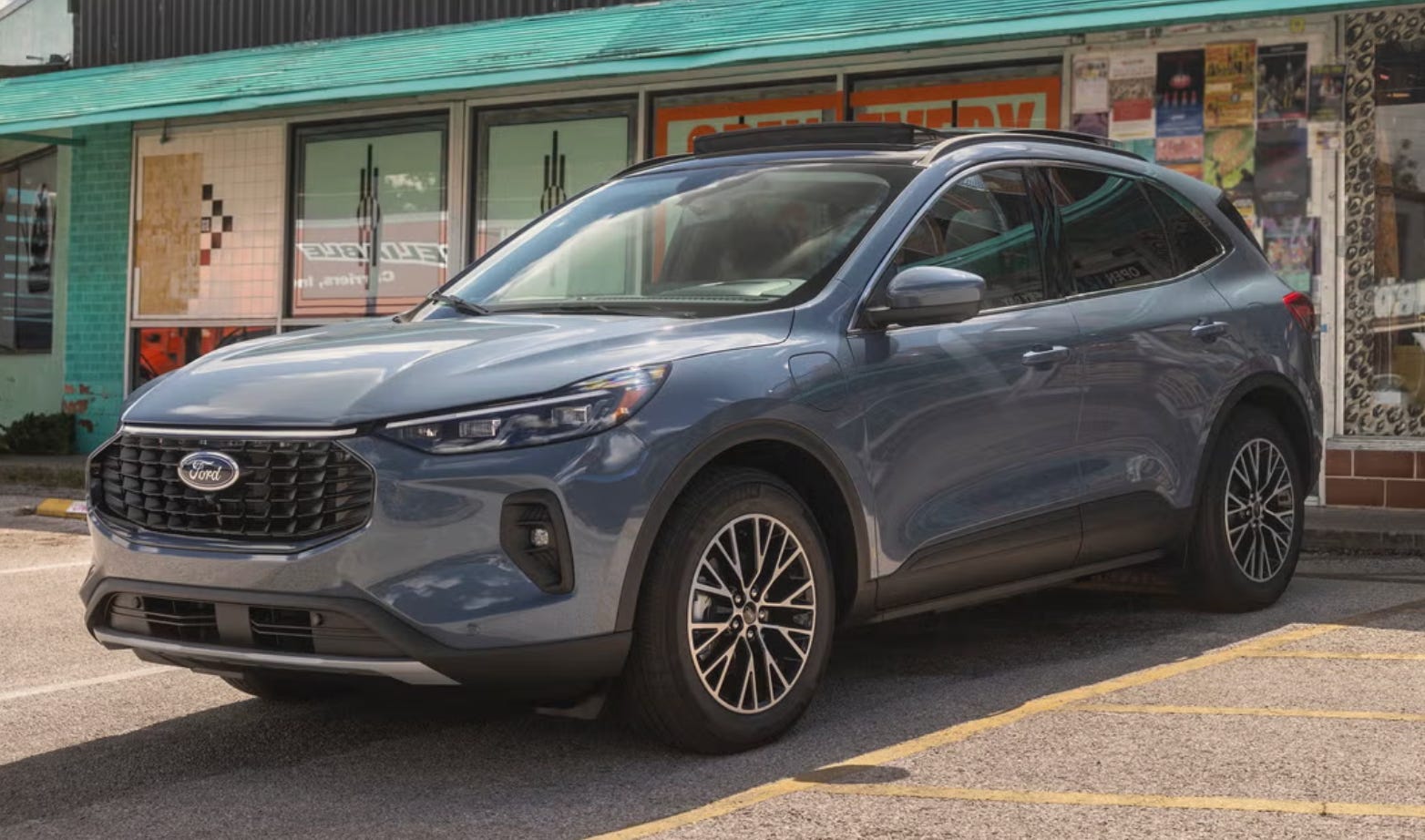
Vermont Ford shoppers looking to buy a 2026 Ford Escape will find an empty spot on dealer lots—not because of supply chain issues, but because of emissions regulations that make the final model year of the popular compact SUV unavailable for sale in the Green Mountain State.
Which States Are Affected
Vermont is one of six states where the 2026 Ford Escape cannot be sold, according to Ford’s own product documentation. The other excluded states are California, New York, Massachusetts, Oregon, and Washington—all members of what’s known as “Section 177 states” that have adopted California’s stricter emissions standards rather than following federal EPA rules.
The restriction applies to all 2026 Escape models, including the standard gasoline versions and the plug-in hybrid variant.
Why 2026 Is Different
The timing isn’t coincidental. Model year 2026 marks the start of California’s “Advanced Clean Cars II” (ACC II) regulations, which Vermont has adopted alongside other Section 177 states. These new rules significantly tighten emissions standards and change how plug-in hybrid vehicles are credited in manufacturers’ compliance calculations.
Under ACC II, plug-in hybrids need substantially longer electric-only ranges to generate meaningful regulatory credits. The current Ford Escape plug-in hybrid offers about 37 miles of electric range, falling short of the optimized benchmarks in the new regulations.
Meanwhile, Ford has confirmed the Escape will be discontinued after the 2026 model year to make room for electric vehicles at its Louisville Assembly Plant. Faced with expensive re-certification requirements for a vehicle in its final year, Ford chose not to seek California Air Resources Board approval for the 2026 model—effectively excluding it from CARB states.
Why Similar Ford Models Remain Available
Vermont shoppers may notice that other Ford vehicles sharing similar engines with the Escape—like the Bronco Sport and Maverick—remain available for 2026. This has led to some confusion about why the Escape specifically was excluded.
The explanation lies in how emissions certification works. Regulators don’t certify engines in isolation; they certify complete vehicle configurations. Even if two vehicles share an engine, differences in weight, aerodynamics, and computer calibration affect emissions output. Each model requires its own separate certification testing and approval.
The Bronco Sport and Maverick received updated certifications for the new ACC II standards, while Ford opted not to invest in re-certifying the outgoing Escape.
The Cross-Border Purchase Problem
Vermont residents might consider a workaround: buying a 2026 Escape from a neighboring state like New Hampshire, which follows federal EPA standards and allows the vehicle’s sale.
However, Vermont’s emissions compliance rules close this loophole. The state’s Department of Motor Vehicles enforces what’s known as the “7,500-mile rule,” which defines any vehicle with fewer than 7,500 miles as “new” for emissions compliance purposes.
When a Vermont resident attempts to register a vehicle with under 7,500 miles, DMV clerks must verify it carries California emissions certification. Since the 2026 Escape lacks this certification, registration would be denied—leaving the buyer with a vehicle they cannot legally drive in Vermont.
To qualify as “used” and bypass this requirement, the vehicle would need more than 7,500 miles on the odometer. But accumulating those miles requires registering and driving the vehicle elsewhere first—a catch-22 for Vermont residents without legal residency in another state.
What Penalties Ford Faces
Ford’s decision to avoid CARB states for the 2026 Escape isn’t arbitrary. Federal Clean Air Act violations for selling non-compliant vehicles carry civil penalties of up to $48,788 per vehicle, according to the most recent adjustment in February 2025. For a vehicle with a transaction price under $40,000, such penalties would exceed the vehicle’s revenue.
Options for Vermont Consumers
Vermont residents wanting a Ford Escape have several alternatives:
Buy a 2025 model immediately. The current model year remains fully legal for Vermont registration and can be purchased from local dealers while inventory lasts.
Consider the Ford Bronco Sport. This similar-sized SUV shares platform components with the Escape and remains certified for Vermont sales in 2026.
Wait for an electric successor. Ford is expected to introduce electric vehicles that will replace the Escape in its lineup, designed specifically to meet ACC II standards.
What This Signals for Vermont’s Auto Market
The 2026 Escape restriction represents the first major example of how Vermont’s adoption of California’s aggressive emissions timeline creates a different vehicle marketplace than neighboring states.
As ACC II standards tighten annually through 2035 toward a goal of 100% zero-emission vehicle sales, industry analysts expect more traditional gasoline models to disappear from Vermont showrooms earlier than in federal EPA states. Automakers face increasing costs to certify older internal combustion engine designs under the stricter standards, particularly for models nearing the end of their product lifecycles.
Vermont dealers will likely see more frequent situations where vehicles advertised nationally or sold across the border in New Hampshire aren’t available locally—creating customer confusion and potentially putting Vermont dealers at a competitive disadvantage for certain models.
What Happens Next
The 2026 model year Ford Escape will complete production sometime in 2026, ending the nameplate’s run. Vermont dealers will continue selling any remaining 2025 Escape inventory through their normal sales cycles.
For the 2027 model year and beyond, the compact SUV slot in Ford’s Vermont lineup will be filled by the Bronco Sport and eventually by electric vehicles developed to meet the increasingly stringent emissions requirements that Vermont and other CARB states have adopted. Similar market splits are likely to emerge for other vehicles as the regulatory gap between California-aligned states and federal EPA states widens over the next decade.