


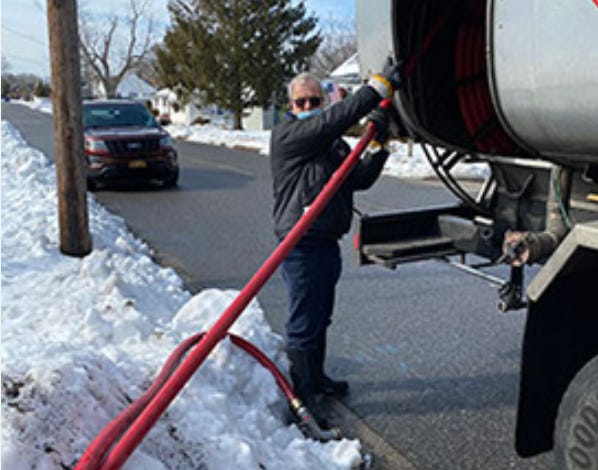
Vermont’s Department of Motor Vehicles issued a Declaration of Emergency on December 15, 2025, temporarily allowing truck drivers delivering propane and heating oil to work longer hours than normally permitted under federal safety regulations.
The order, signed by DMV Commissioner Andrew Collier as the designee of Governor Phil Scott, remains in effect through January 15, 2026.
The emergency measure responds to a documented shortage of residential and business heating fuel affecting Vermont and neighboring states during a particularly cold stretch of the winter heating season.
What the Order Does
The declaration waives federal Hours of Service regulations that normally limit how long commercial truck drivers can operate their vehicles. Under standard rules found in 49 CFR § 395.3, drivers transporting property cannot drive more than 11 hours after 10 consecutive hours off duty, and cannot work beyond a 14-hour window after coming on duty.
During this emergency period, drivers delivering heating fuel are exempt from these restrictions, allowing them to work extended shifts to meet delivery demands. The exemption also waives the requirement for a 30-minute break after eight hours of driving and removes weekly hour limits that would normally cap a driver’s workweek.
The relief applies specifically and exclusively to motor carriers providing “direct assistance” through the delivery of propane and heating oil to residences and businesses.
Safety Protections Remain
While hour limits are suspended, the order maintains strict fatigue management requirements. The declaration states that motor carriers cannot require or allow a fatigued or ill driver to operate a commercial vehicle. If a driver informs their employer that they need rest, the carrier must provide at least 10 consecutive hours off duty.
This provision, mandated by federal regulation 49 CFR § 390.23(b), shifts the responsibility for fatigue assessment to drivers and their employers during the emergency period.
Drivers must also complete a 34-hour restart period—taking 34 consecutive hours off duty—before resuming normal operations after using the extended hours exemption.
Regional Energy Crisis Context
Vermont’s action came as part of a coordinated multi-state response to heating fuel supply problems across the Northeast. New Jersey declared a state of emergency for propane distribution on the same day, while New Hampshire issued a similar order to keep heating fuel deliveries flowing during cold weather.
The shortage stems from a service disruption at a major plant in Pennsylvania that supplies propane to New England, combined with an ongoing shortage of commercial drivers qualified to transport hazardous materials. The U.S. Energy Information Administration’s Winter Fuels Outlook projected rising expenditures for propane and heating oil users in December 2025.
Who Can Use This Exemption
Only motor carriers engaged in the direct delivery of heating fuel qualify for the exemption. Carriers must not have an out-of-service order or valid suspension on record. The emergency declaration must be carried in any vehicle operating under the exemption.
Carriers based outside Vermont but delivering heating fuel within the state may also use the exemption, provided they meet all requirements.
Verification Information
Motor carriers or residents seeking to verify the emergency declaration can contact the Vermont DMV Enforcement & Safety Division at 802-828-2067 (voice) or 802-828-2092 (fax). TTD/TTY services are available at 800-253-0191. The division is located at 120 State Street in Montpelier.
Official documentation is available through the Federal Motor Carrier Safety Administration’s emergency declarations portal.
What Happens Next
The emergency declaration expires at 11:59 p.m. on January 15, 2026, after which all motor carriers must return to standard federal Hours of Service regulations. Drivers who worked extended hours during the emergency period will need to complete a 34-hour restart before resuming normal operations.
The declaration can be renewed if heating fuel supply conditions remain critical, though such extensions typically require additional justification to federal authorities. Vermont officials have not indicated whether they anticipate requesting an extension beyond the current January 15 deadline.