


Navigating the 2026 Energy Crisis: What Rising Global Tensions Mean for Vermont
Recent hostilities in the Persian Gulf have shifted the global energy market, creating price volatility and supply-chain uncertainty for Vermont residents. Because Vermont relies heavily on imported petroleum for transportation and home heating, these geopolitical events impact the state’s ongoing efforts to manage affordability and fiscal stability.
As of March 6, 2026, the disruption of major oil-producing centers and maritime routes has led to a sharp increase in retail fuel prices across the Green Mountain State.
The Source of the Global Energy Shock
The current crisis stems from military engagements that began in late February 2026, impacting energy infrastructure in the Middle East. Tensions involving the United States, Israel, and Iran led to the closure of the Strait of Hormuz, a chokepoint responsible for one-fifth of the world’s daily oil supply. By early March, international benchmark crude prices surged, and American consumers saw the effects at the pump within hours. On March 2, the U.S. recorded its largest one-day increase in gasoline prices since the 2022 invasion of Ukraine.
Impact on Vermont Gasoline Prices
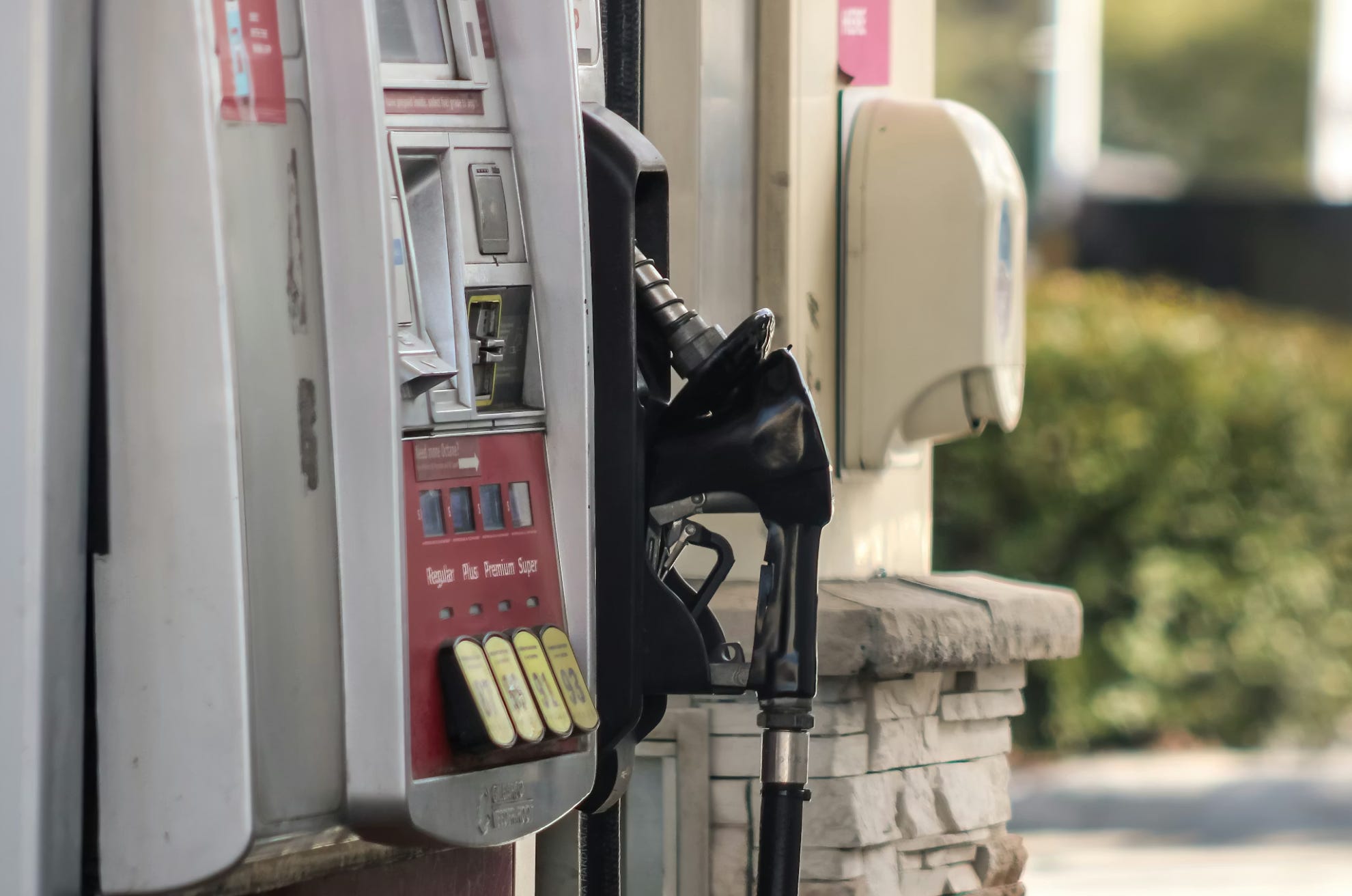
Vermont’s gasoline prices have risen as part of this national trend. While the state average remained relatively stable throughout 2025, the recent shock pushed prices to a statewide average of approximately $3.16 to $3.21 per gallon. These increases coincide with the seasonal transition to more expensive summer-blend fuels.
Within Vermont, fuel costs vary by region due to logistics and competition. Residents in the Northeast Kingdom and northern border counties typically face higher retail prices than those in Chittenden or southern counties. For example, Burlington averages saw a spread of 24 cents between individual stations in early March, as some retailers adjusted to wholesale spikes faster than others.
Rising Costs for Home Heating
The timing of the crisis is particularly impactful for Vermont households as the heating season enters its final weeks. Residential heating oil prices averaged over $4.00 per gallon in early March, marking a significant increase from previous weeks. Wholesale “rack” prices for fuel oil and kerosene spiked sharply between February 24 and March 6, suggesting that further retail price increases are likely as local dealers replenish their supplies.
State Emergency Measures and Assistance
In response to supply challenges and cold weather, the Vermont Department of Motor Vehicles (DMV) issued emergency declarations and waivers for commercial truck drivers. These orders allow drivers to work extended hours to ensure heating oil, propane, and highway salt reach communities in a timely manner.
For residents facing immediate fuel shortages, the Department for Children and Families (DCF) continues to offer the After-Hours Crisis Fuel Assistance program through April 5, 2026. This service is available to vulnerable households—including those with seniors, young children, or individuals with disabilities—who have run out of heat.
Economic Pressure on Agriculture and Tourism
The surge in energy costs affects two pillars of the Vermont economy: farming and tourism. The dairy sector is facing increased costs for fuel and fertilizer, much of which is sourced from the Gulf region. To provide relief, the Governor’s budget includes proposals to eliminate certain permit fees for large and medium-sized farms.
The tourism industry, which contributes billions to the state economy, may also see shifts in consumer behavior. If fuel prices remain high through the spring and summer, travel patterns may trend toward local day-trips rather than long-distance visits, potentially impacting lodging and retail revenue.
Transportation and Public Transit
For the 70% of Vermonters who rely on personal vehicles, higher fuel costs act as an immediate strain on household budgets. In response, more residents are utilizing rural public transit and microtransit options. Programs like “Ticket-to-Ride” and on-demand microtransit in towns like Montpelier and Manchester provide essential connections for those looking to reduce their reliance on personal vehicles during the price spike.
Long-Term Policy and Decarbonization
The 2026 energy shock has highlighted the debate over Vermont’s energy future. Discussions regarding the Clean Heat Standard have intensified, with critics concerned about the potential for added costs on heating fuels and proponents emphasizing the long-term savings of weatherization and heat pump adoption. However, a significant gap in the weatherization workforce remains a hurdle for many residents attempting to transition away from fossil fuels.
What Happens Next
The duration of the conflict in the Persian Gulf remains the primary factor in determining whether these price spikes are temporary or sustained. State leaders are currently monitoring the situation to determine if further emergency declarations for fuel delivery are necessary. In the legislature, the focus remains on addressing a structural deficit in the Transportation Fund and finalizing the FY 2027 budget, which includes measures aimed at providing property tax relief to offset rising living expenses.
"... tensions involving the United States, Israel, and Iran"? Please call this what it is: A US-Israeli attack on Iran led by Israel, one costing the US billions a day to carry out Israel's agenda. The US stands to gain no security or diplomatic benefit from this war. It is happening only for what Israel perceives as its benefit.
Well done up to the line about the long term savings from the clean heat standard. Informed readers know that is a tall tale, pure fiction, a stack if assumptions that make an ass out of those repeating it.
Please refrain or at least contextually such statements in the future lest you are seen as an ass for your brash assumptions about clean heat.