


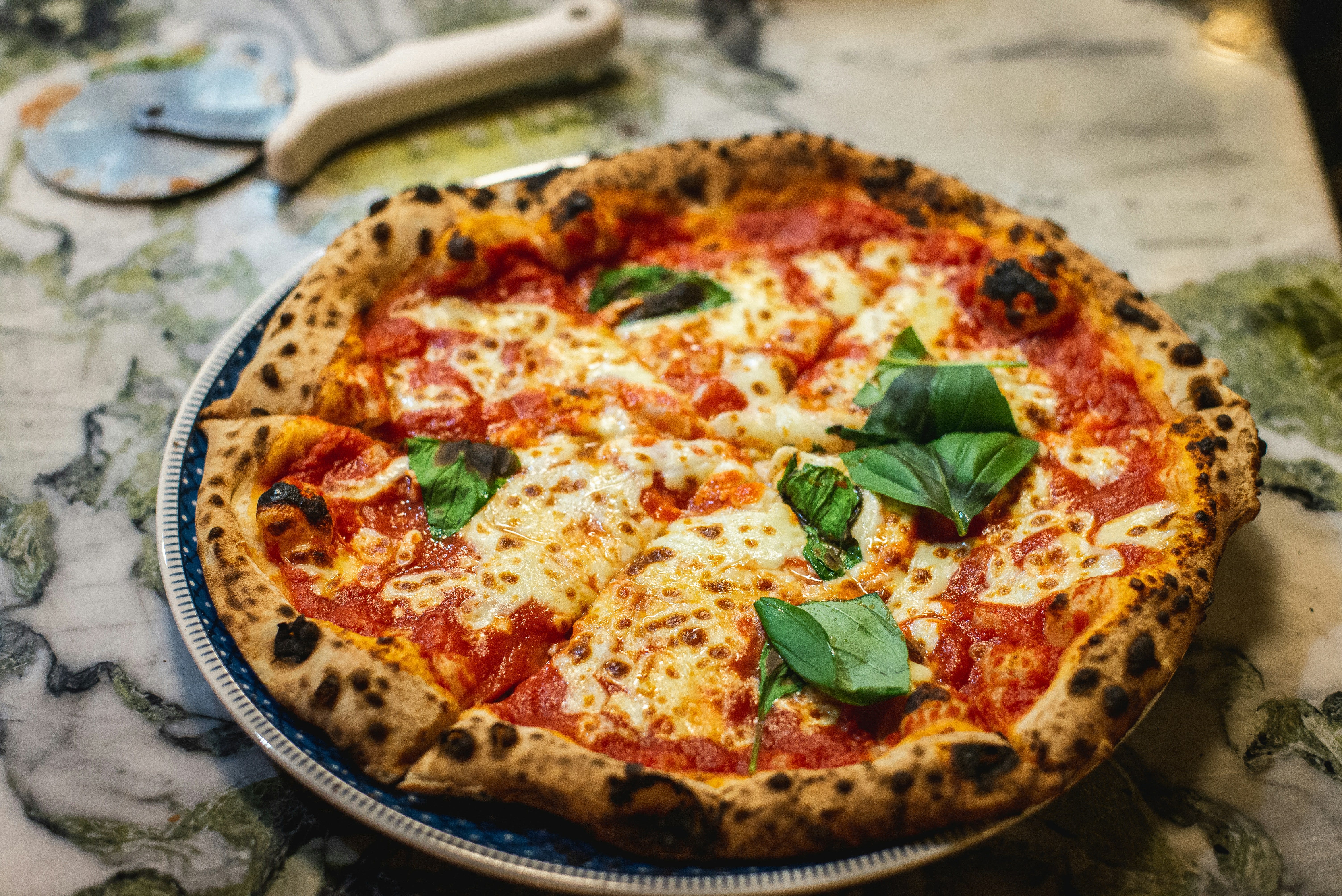
For decades, pizza was the undisputed leader of American convenience dining. In the 1990s, it was the second-most popular restaurant category in the country, trailing only burgers. It held a unique position as an affordable, shareable meal with a built-in delivery system. However, recent data from early 2026 suggests the “default” status of the pizza pie is fading.
Nationally, pizza has slipped to sixth place among restaurant chain cuisines, overtaken by Mexican-inspired fare, coffee shops, and diverse casual dining options.
While the industry still sees billions in annual sales, the number of pizza restaurants in the U.S. has been in a slow decline since peaking in 2019. This national cooling is driven by a combination of rising costs, new technology, and changing health habits.
Economic Pressures and the “Stretch Meal”
The historic value proposition of pizza—that a single large pie could feed a family of four cheaply—is under fire. As the price of a standard large pizza from a national chain approaches or exceeds $20, many consumers no longer view it as a bargain. This psychological price barrier, combined with delivery and service fees that can nearly double a menu price, has led many families to look elsewhere.
In response, some households are returning to “stretch meals” at the grocery store. Sales of products like boxed meal kits have surged as consumers seek to replicate the savory, carb-heavy profile of a pizza dinner at a fraction of the cost. This suggests that for many Americans, fast-food pizza is a discretionary expense that is among the first to be cut when budgets tighten.
The End of the Delivery Monopoly
For years, pizza chains owned the “last mile” of food delivery. If you wanted hot food delivered to your door, pizza was often the only choice. The rise of third-party delivery platforms like DoorDash and Uber Eats has leveled the playing field. Now, every local restaurant can offer delivery, meaning pizza must compete with everything from sushi to Mediterranean bowls on the same app screen.
Furthermore, when customers use these apps, the pizza chains often lose direct access to customer data and loyalty, turning once-mighty brands into commoditized vendors on a digital marketplace.
The Biological Impact: GLP-1s and Changing Appetites
A newer, systemic threat to the traditional pizza model is the widespread use of GLP-1 weight-loss medications like Ozempic and Wegovy. By 2025, roughly 12% of American adults reported using these medications. These drugs work by signaling fullness earlier and often induce an aversion to high-fat, greasy foods.
Because pizza is a volume-based food high in fats and carbohydrates, it aligns poorly with the dietary needs of these consumers, who often prioritize lean proteins to maintain muscle mass. While some chains are struggling to pivot toward “crustless” options, they are fighting against a core brand identity rooted in indulgence.
Corporate Fallout and Bankruptcies
The financial strain on the national model is becoming visible through corporate restructuring. Notable chains like Pieology Pizzeria and Anthony’s Coal Fired Pizza & Wings have faced bankruptcy filings. Even established brands like California Pizza Kitchen have seen significant drops in valuation over the last decade, signaling a loss of market relevance for the “fast-casual” pizza boom.
The Vermont Anomaly: A Local Renaissance
Despite the national downturn, Vermont’s pizza industry is demonstrating remarkable resilience. The state maintains a high density of pizza establishments, with approximately 2.51 stores per 10,000 residents. Unlike the national market, which is split between chains and independents, Vermont’s scene is overwhelmingly dominated by local, independent operators.
Establishments like Folino’s, American Flatbread, and Parker Pie Co. have become cultural anchors. Interestingly, Vermont pizzerias often offer a craft product at a price that is competitive with or lower than the national average, with a large cheese pizza in Vermont averaging $17.59 compared to the national $18.33.
The “Farm-to-Oven” Philosophy
Vermont’s success is tied to a distinct “Vermont Style” of pizza—a philosophy focused on local agricultural integration and sourdough techniques. Many local bakers use long fermentation processes that make the crust more digestible, distancing the product from the “junk food” image of industrial chains.
The state’s forestry resources also fuel a preference for wood-fired ovens, which act as a community hearth. This is best seen in rural anchors like The Elmore Store, which uses local sourdough crusts and Vermont-grown wheat to create an artisan product in a general store setting. This “Farm-to-Oven” ecosystem, supported by organizations like NOFA-VT, transforms a meal into a communal event that supports local farmers and grain millers.
Burlington: A Laboratory for Excellence
As the state’s urban hub, Burlington reflects this artisanal growth. The city’s food scene has gained significant national attention, with local establishments like May Day receiving James Beard Award nominations. This culture of excellence raises the bar for all dough-based products in the city.
Newer ventures like La Di Da Pizza in the Old North End are bringing a high-quality “slice shop” culture to younger demographics, while Pascolo Ristorante recently returned to its Church Street roots specifically to utilize a wood-fired oven. These moves suggest that in Burlington, authenticity and independent ownership are prioritized over imported chain models.
What Happens Next
The American pizza market appears to be splitting into two distinct tiers. National industrial chains will likely continue to struggle with price wars, health trends, and automation as they attempt to regain their footing as a “commodity” fuel.
In contrast, the artisanal and agricultural model seen in Vermont is expected to grow. By positioning pizza as a “real food” experience tied to the local community, Vermont pizzerias have shielded themselves from many of the headwinds facing the broader industry. Moving forward, the primary challenges for Vermont’s scene will likely be internal: managing a persistent labor shortage and ensuring that as the “craft” slice gains more culinary accolades, it remains accessible and affordable for all residents. For the rest of the country, Vermont’s model of deeper local roots and higher-quality ingredients may provide a roadmap for the future of the industry.