


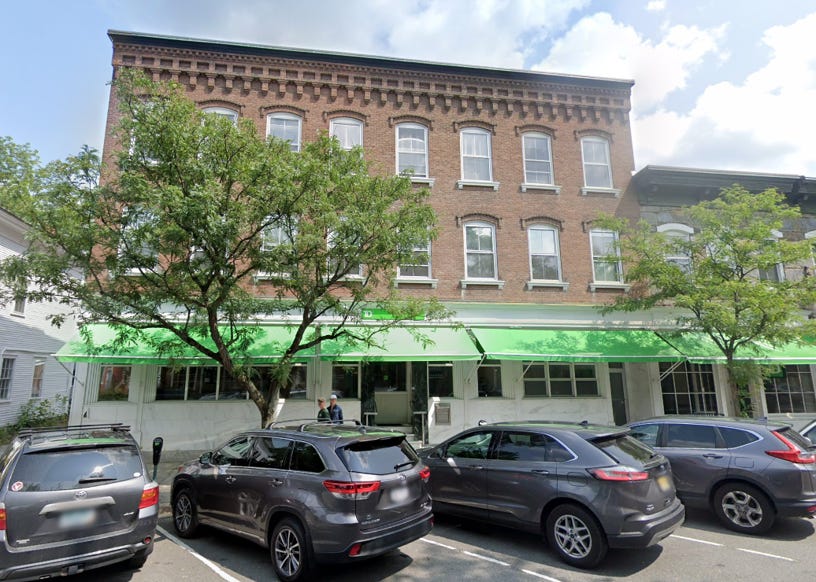
TD Bank, N.A. has finalized plans to close 51 branch locations across 13 states and Washington D.C. by the end of 2026, a move that represents roughly a 10% reduction in its physical footprint. While the bank officially attributes these closures to a strategic shift toward a digital-centric model, the restructuring follows significant regulatory penalties and a federally mandated cap on the bank’s assets.
The Local Impact in Vermont
For Vermont residents, the contraction hits two specific communities. Regulatory filings and institutional reports identify the following branches as slated for permanent closure:
Winooski: 27 East Allen Street. This location serves as a central banking hub for the local community.
Woodstock: 21 Elm Street. Located in a high-profile tourism and affluent corridor, this closure marks a departure from a long-standing physical presence in the area.
Both locations are scheduled to have their final day of operations on January 29, 2026. These closures follow previous exits from Vermont towns, including Richmond and Waitsfield in 2021.
The Regulatory Shadow: AML Failures and Asset Caps
While bank leadership has described the closures as “business-as-usual,” financial analysts point to a major settlement with U.S. regulators as a primary driver. In October 2024, TD Bank reached a $3.09 billion agreement with the Department of Justice and other agencies following a systemic breakdown in anti-money laundering (AML) protocols.
Investigations revealed that over several years, the bank’s systems were exploited by organized crime networks to launder hundreds of millions of dollars, including funds linked to illicit fentanyl trafficking. As part of the penalty, regulators imposed a $434 billion asset cap on the bank’s U.S. retail operations. This cap effectively prevents TD Bank from growing its total assets, making footprint reduction a strategic necessity to lower operating expenses and redirect funds into mandatory compliance and risk infrastructure.
Reimagining the “Most Convenient Bank”
TD Bank, which long marketed itself as “America’s Most Convenient Bank,” is pivoting toward a strategy focused on digital acquisition and advice. The bank’s “50/70” goal aims to acquire 50% of its sales through digital channels and move 70% of its customer base to digital usage.
Under this model, remaining branches are being transitioned from transaction hubs to advice centers, where staff focus on high-value services like mortgages and wealth management rather than routine cash transactions.
Clarifying the Record
Recent discourse regarding the closures has included some inaccuracies concerning the bank’s history and financial status:
Stock Performance: Reports suggesting a 51% rise in shares as a justification for the closures appear to be based on misattributed data from unrelated industries. In reality, TD’s stock has seen significant volatility following the collapse of its First Horizon merger and the AML investigation.
Bank Age: While often called a “70-year-old bank,” TD’s parent company dates back to 1855. The “70 years” likely refers to the 1955 merger that formed the modern Toronto-Dominion Bank.
Local Banking Shifts
As national chains reduce their presence, Vermont-based institutions have seen a rise in consumer sentiment. Northfield Savings Bank (NSB), for example, was recently voted “Best Bank Statewide” in the 2025 VermontBiz awards. Local peers are often highlighted for their community reinvestment and local leadership, contrasting with the centralized, regional streamlining currently practiced by larger national players.
Protections for Affected Workers
The contraction of the branch network impacts the local workforce. In Vermont, the Notice of Potential Layoffs Act requires employers to notify the Commissioner of Labor 45 days prior to a site closure.
Affected employees may be eligible for Rapid Response services provided by the Vermont Department of Labor, which include reemployment assistance and unemployment insurance guidance. TD Bank typically attempts to relocate staff to nearby branches when feasible.
What Happens Next
The Winooski and Woodstock branches will remain open until their scheduled closing date of January 29, 2026. Customers at these locations can expect to receive official notification by mail detailing how their accounts will be transitioned to the nearest remaining branches, such as those in Burlington or South Burlington. Following the closures, the bank will continue its multi-year transition toward digital-first banking while operating under federal asset restrictions.
Really solid reporting on the asset cap piece. Most coverage glosses over how a $434B restriction effectively forces footprint contraction when complianceinfrastructure eats into operating margins. The local banking angle is interesting too; when a major player exits under duress like this, community banks dont just inherit customers, they inherit goodwill. I've seen similar patterns in other regulated industries where penalty-driven exits become market opportunities for regional competitors.