


Maine’s Democratic Senate primary has turned into one of the most consequential — and most chaotic — races of the 2026 midterms.
Sanders endorsed Graham Platner last August and has refused to walk away despite a series of damaging revelations that would have ended most campaigns. His bet: that Democratic voters care more about economic populism than a candidate’s messy past.
So far, the polls suggest he may be right.
The Candidates
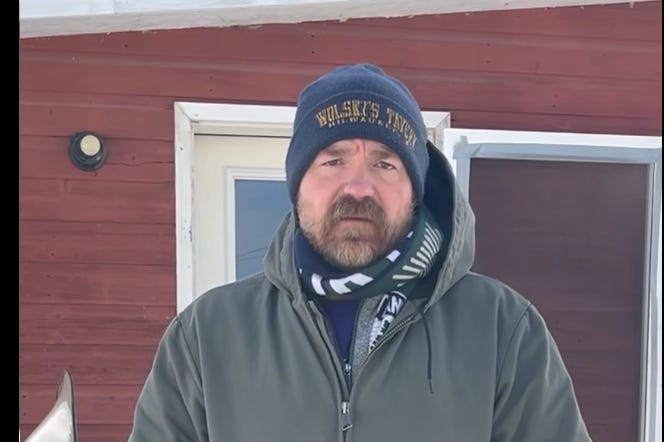
Graham Platner is a 41-year-old Marine combat veteran and oyster farmer from coastal Maine. He served four infantry tours in Iraq and Afghanistan, came home, and started farming oysters in Frenchman Bay. His platform calls for a return to New Deal-style economics — Medicare for All, aggressive climate action, and a full-throated critique of what he calls the “oligarchy” running American politics. He’s built a grassroots army of thousands of volunteers and, by year-end 2025, had raised nearly $7.9 million — almost triple his nearest Democratic rival — overwhelmingly from small-dollar donors.
Janet Mills is Maine’s sitting governor, the first woman elected to the job, and a career public servant who previously served as district attorney and attorney general. She entered the Senate race in October 2025 at the urging of national party leaders, with the backing of Senate Minority Leader Chuck Schumer and the DSCC. At 78, she would be the oldest freshman senator in U.S. history if elected, and has pledged to serve only one term. Her campaign has emphasized stability, experience, and electability, including a “candid conversations” tour of community events across the state.
The Controversies
Platner’s campaign has absorbed a remarkable amount of damaging material without losing ground.
In October 2025, CNN, Politico, and the Bangor Daily News reported on over 1,800 Reddit posts Platner made between 2009 and 2021 under the handle “P-Hustle.” The posts included comments asking why “black people don’t tip”, suggestions that people worried about sexual assault should avoid getting inebriated, endorsements of armed political resistance, and — in 2021 — self-identification as a “communist” and derogatory language about police and people with disabilities. Platner called them “stupid joke comments” made during a difficult period after leaving the military.
Then came the tattoo. Platner has a chest tattoo resembling the Totenkopf, a skull symbol used by the Nazi SS. He released a video saying he got it while drunk with fellow Marines in Croatia in 2007 and didn’t know the association. His former political director, Genevieve McDonald, resigned and publicly disputed that claim, saying Platner “knows damn well what it means.” His campaign manager and finance director also departed. Platner had the tattoo covered and kept campaigning.
In late February 2026, Platner retweeted white supremacist Stew Peters, then appeared on a podcast with conspiracy theorist Nate Cornacchia, calling himself a “longtime fan.” The campaign deleted the tweet and said they were unaware of Peters’ views.
Sanders Holds the Line
Through all of it, Sanders hasn’t flinched. In an interview with Axios, he dismissed the controversies as a distraction from policy, arguing that Platner’s military service warrants “forgiveness” for what Sanders called a “dark period.”
That position has drawn praise from progressives who view the attacks as establishment maneuvering — and sharp criticism from those who see the controversies as legitimate character questions.
The Numbers
Maine Democratic primary voters appear to have made up their minds. A University of New Hampshire poll from mid-February showed Platner leading Mills 64% to 26%. Aggregated polling from RealClearPolitics and Race to the White House shows a consistent lead ranging from 10 to 20 points. Platner’s numbers have actually increased as the negative stories have piled up.
On March 2, Arizona Senator Ruben Gallego — a Marine veteran who won his own competitive Senate race in 2024 — endorsed Platner, arguing his populist appeal and military background make him more electable than a traditional moderate. That directly counters Mills’ argument that Republicans would “make mincemeat” of Platner in a general election.
The Policy Divide
The race isn’t just about personality. There are real policy differences.
On healthcare, Platner backs Medicare for All and Sanders’ single-payer legislation. Mills points to her record expanding Medicaid and supports building on existing frameworks.
On tribal sovereignty — a major issue in Maine — the candidates are far apart. Mills has faced sustained criticism from Wabanaki tribal nations for opposing sovereignty legislation and vetoing related bills. Platner has positioned himself as a firm ally of the Wabanaki Alliance. Passamaquoddy leaders have acknowledged improvements under Mills, but many advocates say she remains an obstacle to full sovereignty.
Platner has also locked up key organizational support: the Maine People’s Alliance (32,000 members) endorsed him unanimously in February, along with Gen-Z for Change, Voters of Tomorrow, and College Democrats of America.
What Happens Next
Maine’s Democratic primary is in June. Mills needs to close a massive polling gap, and her best remaining argument is electability — that Platner’s baggage makes him unbeatable by Collins, who enters the general election with over $8 million in cash and the full weight of incumbency.
Platner’s challenge is different: keep the grassroots engine running while surviving whatever scrutiny the final months bring. His campaign has shown a striking ability to absorb bad news, but paid advertising and intensified media coverage in the homestretch will test that resilience.
For Sanders, this is a familiar bet — that the party’s future runs through populist insurgents, not institutional favorites. The difference this time is the scale of what he’s asking voters to look past.
Maine voters will have the final word in June.
Red coat/Blue coat, all the same. Good luck Maine, your going to need it...