


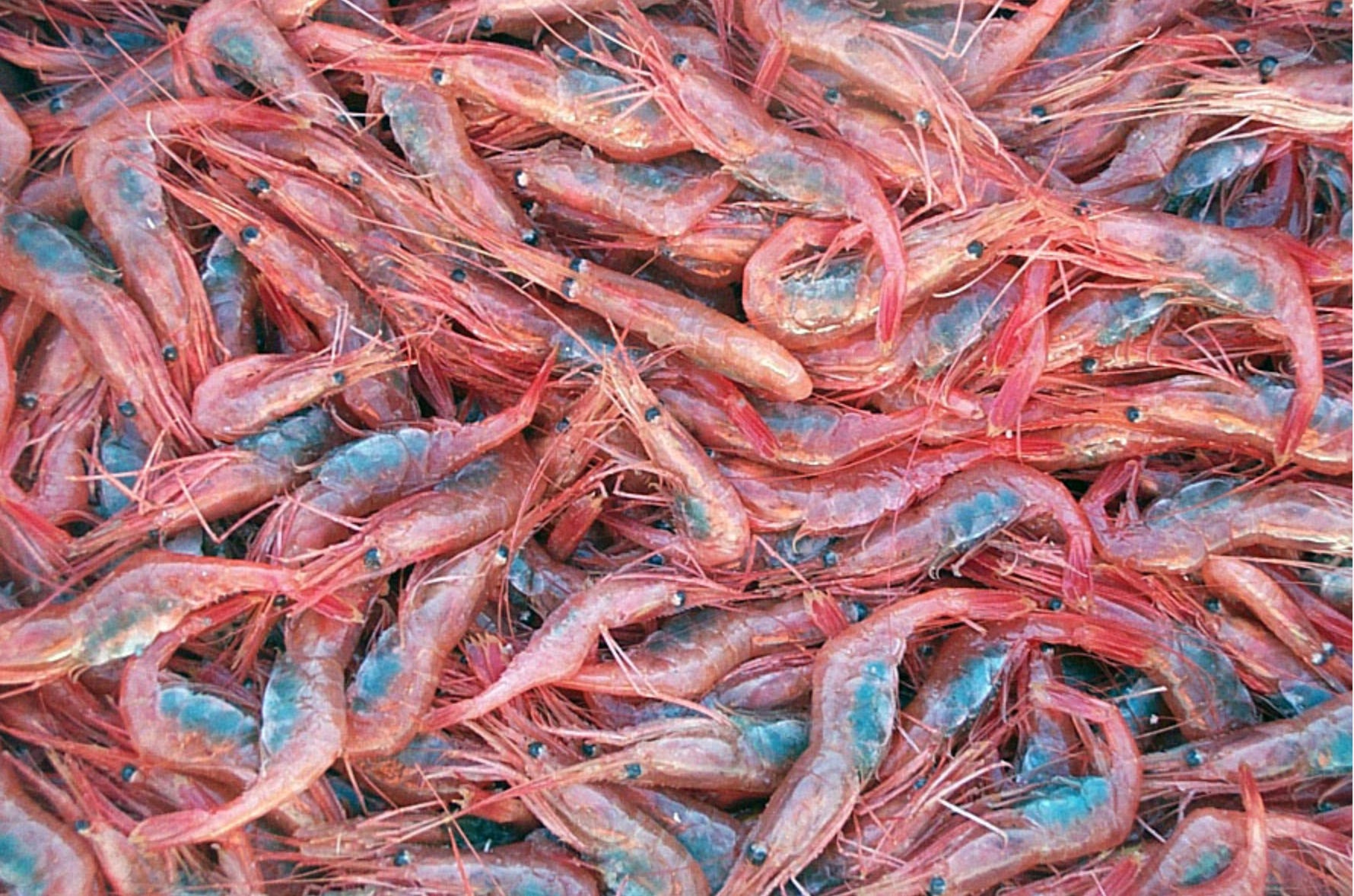
Historic Fishery Unlikely to Return
The Atlantic States Marine Fisheries Commission has voted to extend the closure of the Northern Shrimp fishery in the Gulf of Maine through the 2028 fishing season, effectively ending what was once a beloved winter tradition for coastal New England and Vermont diners.
The decision came after a 2024 research expedition yielded devastating results: commercial fishing boats working historical shrimping grounds caught only 70 individual shrimp weighing less than three pounds total. For context, this fishery once produced over 12 million pounds annually.
The fishery has been closed since 2014, and the unanimous vote by state representatives from Maine, New Hampshire, and Massachusetts signals that regulators—and the industry itself—have largely accepted that this resource may never return.
Why the Shrimp Disappeared
The Northern Shrimp collapse stems from rapidly warming ocean temperatures in the Gulf of Maine, which is heating faster than 99% of the world’s oceans. Northern Shrimp are cold-water creatures living at the southern edge of where they can survive, and the warming has made their habitat inhospitable.
But temperature alone doesn’t explain why the population hasn’t recovered during the decade-long fishing ban. Scientific research points to a second culprit: Longfin Squid, warm-water predators that have moved into the Gulf as temperatures rose. These squid eat shrimp voraciously, consuming young shrimp before they can mature and reproduce.
NOAA Fisheries describes this as an ecosystem that has fundamentally reorganized—the cold-water shrimp habitat is now a warm-water squid habitat. Stock assessments show the 2016, 2018, and 2020 year classes were the lowest ever recorded, indicating the species isn’t successfully reproducing in these waters.
What Vermont Lost
For Vermont restaurants and home cooks, Maine Shrimp represented something special: the only fresh, wild-caught, local seafood available during deep winter months. The small, sweet shrimp appeared on menus from January through March, perfectly timed with ski season.
During the fishery’s active years, The Café at Pat’s featured paella with fresh Maine Shrimp celebrating “bounty from local farms and fishermen.” El Cortijo in Burlington served them in ceviche. Even the University of Vermont Medical Center’s cafeteria sourced them, listing the specific boat and captain on the menu. Ray’s Seafood in Essex Junction was a primary retail outlet for home cooks.
Unlike larger farmed shrimp from Asia, these were delicate, requiring minimal cooking time—often just 30 seconds to a minute. They offered a distinct regional character that chefs and diners valued.
Vermont distributors like Black River Produce once moved significant volumes of Maine Shrimp. Their current seafood lists now feature generic “Shrimp Tiger” and “Tilapia Filet” instead of the regional specialty that once headlined winter offerings.
The Canadian Connection and Trade Complications
With no domestic fishery and no local aquaculture, Vermont now depends entirely on Canadian imports for Northern Shrimp. Canada still harvests Pandalus borealis in colder northern waters, though their 2025 quotas are strictly managed at approximately 3,809 tons across key fishing areas.
But getting Canadian shrimp to Vermont has become more expensive and complicated. In March 2025, the U.S. imposed 25% tariffs on broad categories of Canadian goods under emergency economic powers. While wild-caught seafood may qualify for exemptions under trade agreements, industry experts warn the resulting trade friction—including inspections, delays, and retaliatory measures—drives up costs throughout the supply chain.
Canadian shrimp that wholesales for $1.65 per pound at Newfoundland docks now retails for $15.95 per pound for peeled meat in New England markets. Rising shellfish prices contributed to a 3.7% increase in fresh seafood costs in September 2025 alone.
What the Fishing Industry Lost
For Maine’s fishing communities, Northern Shrimp provided critical winter income. The fishery operated from January through March when lobster fishing largely shuts down due to weather and lobster migration patterns. It kept boat crews employed, processing plants running, and provided cash flow for vessel maintenance during lean months.
In 2010, the fishery landed over 12 million pounds worth $6.6 million. By 2013, landings had crashed to just 563,313 pounds. Since 2014, commercial revenue has been zero.
Most former Maine shrimpers have moved on to other species. The specialized gear—small-mesh trawls and traps designed for shrimp—has been sold, scrapped, or repurposed. The processing facilities that once employed seasonal workers to peel small shrimp lost their winter feedstock.
What Happens Next
The ASMFC’s management plan now includes provisions for a “wake-up index”—biological triggers that would prompt regulators to reconsider the closure if the population shows signs of recovery. However, given the 2024 survey results and consistently low recruitment numbers, scientists don’t expect these triggers to be met in the foreseeable future.
The Commission set no research quota for 2026, indicating regulators don’t anticipate conditions that would justify even experimental fishing.
For Vermont residents, this means the era of fresh, affordable, local winter shrimp has ended. Any “Maine Shrimp” appearing on menus between now and 2028 is either mislabeled or refers to Canadian imports. The product that once connected Vermont diners to the Gulf of Maine’s winter harvest—arriving fresh from Portland docks with the boat captain’s name attached—has passed into culinary history.
Vermont’s seafood supply for Northern Shrimp now depends entirely on international trade relationships, global commodity markets, and the health of Canadian fisheries hundreds of miles away. The local food system that once included this seasonal specialty has been permanently altered by changes in ocean temperatures that show no signs of reversing.