


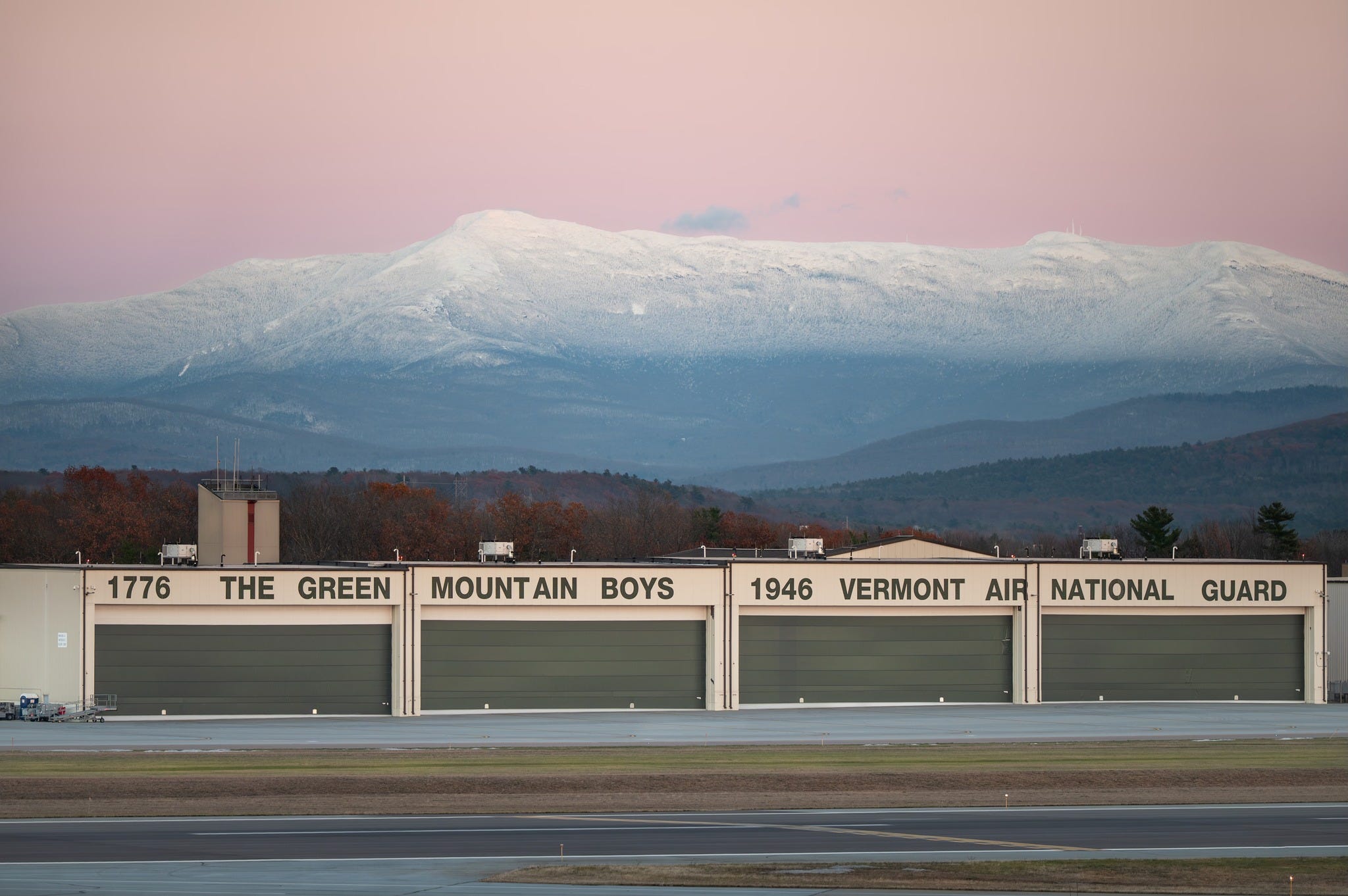
In the early weeks of 2026, the quiet winter air over Burlington has been punctuated by the familiar roar of F-35A engines. But for the members of the Vermont Air National Guard’s 158th Fighter Wing and the community that surrounds them, this is no ordinary homecoming. The return of the “Green Mountain Boys” from Puerto Rico marks the conclusion of one of the most significant and controversial military operations in the unit’s history: Operation Absolute Resolve.
As of January 9, 2026, personnel and aircraft are in the final stages of a complex reintegration process following their deployment to the Caribbean to participate in the mission that resulted in the capture of Venezuelan President Nicolás Maduro.
The Strategic Role of the Green Mountain Boys
The 158th Fighter Wing was not selected for this mission by chance. In 2019, the unit became the first Air National Guard wing to receive the F-35A Lightning II. By late 2025, the wing had achieved Full Operational Capability with the F-35A Block 4 variant, an aircraft specifically designed for “Day One” operations.
While other stealth assets were available, the Vermont Guard’s F-35As provided specific advantages over the U.S. Marine Corps’ F-35B models also stationed in the region. The Air Force “A” model possesses a longer combat radius and a heavier internal payload, allowing it to strike deep into defended territory while maintaining a stealth profile. These capabilities made the 158th the preferred choice for Suppression of Enemy Air Defenses (SEAD)—essentially “kicking down the door” by neutralizing advanced Russian-made anti-aircraft systems before other forces moved in.
From “Southern Spear” to Absolute Resolve
The deployment began under a cloud of ambiguity. In mid-December 2025, the mission was publicly characterized as Operation Southern Spear, a counternarcotics effort. However, the rapid, “zero-notice” mobilization of the wing during a standard December drill weekend suggested a different reality.
Personnel were federalized under Title 10, a legal mechanism that places the National Guard under the direct control of the President and the Secretary of Defense. This move bypassed the traditional authority of Governor Phil Scott, who stated he had no control over the mission and had received limited information from the Pentagon.
The Mission Over Venezuela
On January 3, 2026, the operation transitioned into its kinetic phase. Over 150 aircraft participated in the raid. Vermont’s F-35s were among the first to enter Venezuelan airspace, using advanced electronic warfare suites to jam communications and sensor networks. This “blackout” corridor allowed special operations teams to capture Nicolás Maduro with no reported U.S. casualties. Official photos later showed the Vermont aircraft recovering in Puerto Rico with their ordnance bays open, confirming they were armed with Sidewinder missiles during the sorties.
A Logistical Return: The “Patriots Plane” and Ferry Flights
The return of approximately 1,000 “citizen airmen” has been a staggered, multi-phase operation. Because the 158th is a fighter wing without its own large transport planes, they relied on commercial charters.
Personnel Transport: On January 2, 2026, an Omni Air International Boeing 767 (Flight OAE279) arrived at Burlington International Airport. This aircraft, often used to transport the New England Patriots, carried the “advance team” of maintainers and support staff.
Aircraft Ferrying: The return of the 20 F-35A jets began after January 6. These flights are conducted in small groups or “cells” of four to six aircraft to manage air traffic and the need for aerial refueling tankers during the 1,600-mile trip from Puerto Rico.
A Divided Home Front
While the mission was a tactical success, the political reception in Vermont has been starkly divided. Unlike the celebratory return following Hurricane Maria relief in 2017, the 2026 return is taking place amid significant local protest.
Vermont’s congressional delegation—Senators Bernie Sanders, Peter Welch, and Representative Becca Balint—issued a unified condemnation of the deployment, questioning its legality under the War Powers Resolution. Senator Sanders specifically warned against the costs of “illegal war” and the impact on domestic priorities.
What Happens Next
As the final F-35As land at Burlington International Airport this week, the 158th Fighter Wing enters a period of post-deployment stand-down and maintenance.
Maintenance Recovery: Technicians will conduct intensive inspections of the aircraft, specifically checking the stealth coatings for any degradation caused by the tropical humidity of the Caribbean.
Personnel Reintegration: Guard members will transition back to their civilian lives and jobs, a process that may be complicated by the abruptness of the “zero-notice” mobilization in December.
Political Scrutiny: The Burlington City Council and state legislators are expected to continue debating the Guard’s mission and the long-term presence of the F-35 at a municipal airport.
The “Green Mountain Boys” are home, but the echoes of Operation Absolute Resolve are likely to shape Vermont’s civil-military landscape for years to come.
Notes on this Article This report was compiled using documented flight data, official military communications, and public statements from Vermont elected officials. It serves as a record of the 158th Fighter Wing’s activities through January 9, 2026. A VTANG spokesperson told Compass Vermont that they would not be releasing any information until the mission is completed and all participants have returned to the base.
The F-35's should not be stationed here. To close to "Civilian" populations. They my be called again...