


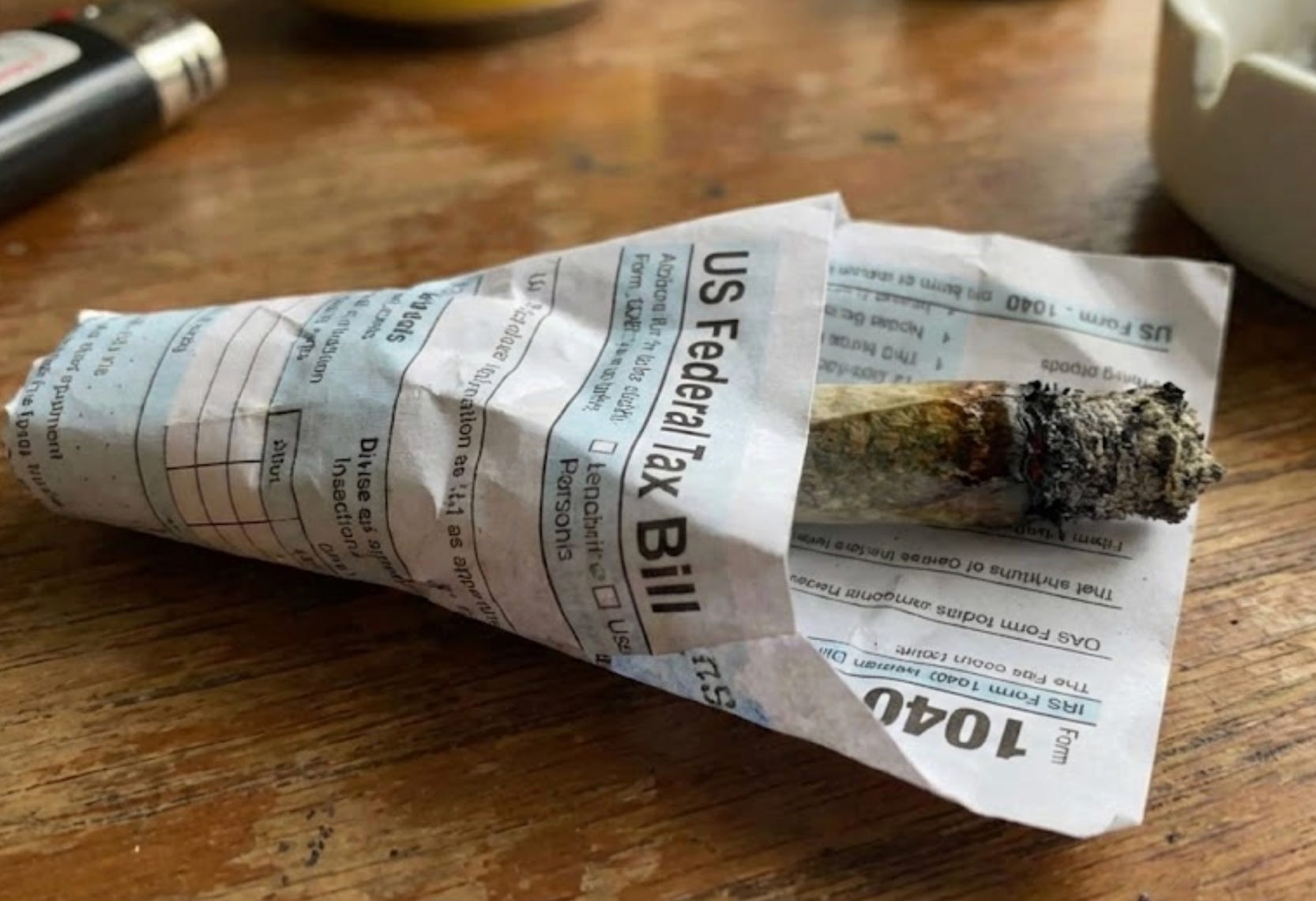
On December 18, 2025, President Donald Trump signed an executive order directing Attorney General Pam Bondi to expedite the rescheduling of marijuana from Schedule I to Schedule III of the Controlled Substances Act.
The move represents the most significant shift in federal marijuana policy in over half a century and carries substantial implications for Vermont’s cannabis industry, from tax relief for small growers to expanded medical research opportunities.
While the rescheduling does not constitute federal legalization or decriminalization, it formally recognizes marijuana’s medical utility and dismantles some of the most punitive federal restrictions that have burdened state-legal cannabis businesses since Vermont launched its adult-use market.
Understanding the Rescheduling Process
Trump’s December order accelerates a rulemaking process that had stalled following the previous administration’s May 2024 proposed rule.
Under Schedule I, marijuana was classified as having no accepted medical use and high potential for abuse—the same category as heroin and LSD. Schedule III substances, by contrast, are recognized as having legitimate medical applications with moderate to low risk of dependence. The new classification places marijuana alongside ketamine, anabolic steroids, and prescription codeine products.
Immediate Tax Relief for Vermont Cannabis Businesses
The most significant immediate impact for Vermont’s cannabis operators is the elimination of Internal Revenue Code Section 280E, which has prohibited businesses dealing in Schedule I or II substances from deducting ordinary business expenses.
For Vermont’s predominantly small-scale Tier 1 and Tier 2 cultivators and independent retailers, Section 280E has created effective tax rates ranging from 70% to 90%. Because the statute applies only to Schedule I and II substances, rescheduling to Schedule III renders it inapplicable.
Vermont cannabis businesses will now be able to deduct standard expenses including non-production employee wages, rent, utilities, insurance premiums, marketing costs, and legal fees—the same deductions available to any legal business.
For a mid-sized Vermont retailer, this could mean a reduction in effective federal tax rates from approximately 80% to the standard 21% corporate rate.
However, the relief is not retroactive. The Internal Revenue Service will not accept amended returns for previous years, meaning businesses with outstanding 280E-era tax debt must still settle those liabilities. Industry analysts expect the newfound profitability to drive consolidation and restructuring as companies unwind complex corporate structures previously designed to minimize tax impacts.
Vermont’s Recent Cannabis Legislation and Federal Alignment
Vermont’s cannabis industry operates under oversight by the Cannabis Control Board, which administers regulations codified in Title 7 of Vermont Statutes. The state’s most recent legislative update came in June 2025 with the passage of Act 56.
Act 56 introduced several changes that position Vermont to interact effectively with the new federal classification. The legislation clarified law enforcement authority to seize illegal cannabis products, particularly those containing synthetic cannabinoids like Delta-8 THC, which Vermont had already banned through administrative rules.
The act also represents Vermont’s third attempt to satisfy FBI requirements for fingerprint-based background checks for cannabis licensees. Federal agencies have historically resisted sharing database access with states overseeing Schedule I activities, but rescheduling to Schedule III is expected to lower these administrative barriers, potentially allowing Vermont to move away from expensive third-party background check services.
Perhaps most significantly, Act 56 created a formal receivership process allowing the Cannabis Control Board to approve court-appointed receivers for cannabis businesses facing insolvency. This provision becomes particularly relevant as Schedule III status may eventually provide access to federal bankruptcy protections—a legal tool currently unavailable to cannabis businesses due to their Schedule I classification.
Medical Cannabis Recognition and Research Expansion
The federal acknowledgment of marijuana’s medical utility represents a profound shift for Vermont’s medical cannabis registry, which has been in operation since 2004.
Schedule I classification has made clinical cannabis research extraordinarily difficult, requiring multiple layers of federal approval and stringent security protocols. The move to Schedule III removes these barriers, allowing Vermont’s academic and medical institutions to study cannabis with the same ease as other prescription medications.
This research expansion is expected to yield standardized data on proper dosing, drug interactions, and long-term health effects of specific cannabinoids. For Vermont’s medical patients, 60% of whom cite chronic pain as their primary reason for use, improved clinical guidance could result in safer and more effective products.
The executive order specifically emphasizes benefits for seniors, noting that one in ten adults over 65 used marijuana in the past year to manage cancer-related symptoms and age-related ailments.
Vermont’s medical registry has faced what regulators describe as “atrophy” in recent years as patients migrated to the more accessible adult-use market. Federal recognition of medical value may revitalize the registry by reducing stigma, particularly for hesitant seniors and veterans, and potentially facilitating future discussions about insurance coverage for cannabis-based therapies.
Banking Access and Financial Services
While rescheduling does not provide complete legal protection for banks—many industry observers believe that still requires passage of pending federal banking legislation—it significantly alters the risk assessment for financial institutions.
Major cannabis operators have already signaled that reclassification could enable listing on major U.S. stock exchanges like the NYSE or NASDAQ. For Vermont’s local cannabis establishments, the change should translate to reduced “high-risk” service fees from existing bank partners, increased willingness from credit unions to provide business loans and mortgages for cultivation facilities, and greater access to traditional credit and debit card processing.
However, Treasury Department guidance requiring banks to file Suspicious Activity Reports for cannabis transactions remains in effect, indicating continued federal monitoring of the industry.
Dispensaries Are Not Becoming Pharmacies
A critical misconception about Schedule III rescheduling is that state-licensed dispensaries will not transform into pharmacies. Under federal law, Schedule III substances must be FDA-approved drugs to be dispensed through pharmacies, and no current Vermont cannabis products meet these criteria.
Legal analysts predict the emergence of a “dual market” system where Vermont’s existing retail dispensaries continue operating under state regulation while a separate pharmaceutical track develops for FDA-approved cannabinoid medications. Vermont dispensaries will remain under Cannabis Control Board authority, serving customers with valid ID for adult-use purchases or medical recommendations for registry patients.
The primary challenge will be whether federal drug enforcement authorities eventually require Schedule III substances to move through registered pharmaceutical wholesalers and practitioners, which could create regulatory tension with Vermont’s current system.
Hemp, CBD, and the 2026 Federal Deadline
The rescheduling announcement arrives amid congressional action on hemp-derived intoxicants. As part of late 2025 government funding legislation, Congress passed provisions that will recriminalize most intoxicating hemp-derived THC products starting November 2026, reversing elements of the 2018 Farm Bill that created a market for products like Delta-8 and Delta-10 THC.
The executive order specifically directs administration officials to work with Congress on updating hemp product definitions to ensure full-spectrum CBD products remain available for wellness and pain management while maintaining restrictions on synthetic intoxicants.
For Vermont, which already banned Delta-8 through Cannabis Control Board administrative rules, the federal changes provide clearer distinction between wellness-focused hemp and intoxicating cannabis. The administration has proposed providing Medicare recipients up to $500 in access to hemp-derived CBD products if recommended by a physician.
Public Safety and Workplace Rules Remain Unchanged
Federal rescheduling does not diminish Vermont’s authority to regulate public safety or employers’ rights to maintain drug-free workplaces. Organizations like the National Safety Council have cautioned that reclassifying cannabis could lead to increased roadway fatalities and workplace incidents without rigorous impairment mitigation.
Under Vermont law, public consumption remains prohibited in streets, parks, and public spaces. The state’s DUI laws apply to cannabis regardless of federal scheduling, and medical registry participation does not provide a defense for impaired driving.
Vermont employers, particularly those with federal contracts or in safety-sensitive industries like transportation and healthcare, may continue enforcing zero-tolerance drug policies. Federal firearms restrictions also remain in effect—individuals using controlled substances, including Schedule III marijuana, face prohibitions on gun possession pending further legislative or judicial clarification.
Local Municipal Control Continues
Vermont municipalities retain authority to regulate or prohibit cannabis establishments within their borders. Towns must opt in to allow retail cannabis sales and may impose local taxes and zoning restrictions. Federal rescheduling is unlikely to override these local controls.
However, the improved financial health of cannabis businesses following Section 280E elimination could increase municipal tax revenue. Vermont projects cannabis excise taxes will reach $21.7 million by the end of fiscal year 2025, and retailers’ ability to reinvest former tax penalties into business expansion could grow the industry’s local economic footprint.
Vermont Enforcement Standards Remain Rigorous
The complexity of Vermont’s regulatory environment was highlighted in late 2025 when the Vermont Supreme Court affirmed the Cannabis Control Board’s revocation of Holland Cannabis’s cultivation license following use of prohibited pesticides that violated a corrective action plan.
The case underscores that Vermont’s market operates under high consumer safety standards independent of federal scheduling. While rescheduling may ease federal research and tax burdens, the Cannabis Control Board remains the primary authority on product quality and licensee conduct.
What Happens Next
The executive order directs Attorney General Bondi to complete the rescheduling process in the most expeditious manner allowed by law, though specific timelines remain uncertain. Once finalized, Vermont cannabis businesses should see immediate Section 280E tax relief beginning with their next tax year.
The Cannabis Control Board is considering lifting potency caps on concentrated products and creating new license types, suggesting a maturing market increasingly integrated into Vermont’s broader economy. The elimination of punitive federal tax barriers provides capital for small growers to invest in improved facilities, equipment, and genetics.
Medical cannabis research will expand as Vermont’s academic institutions gain easier access to studying the plant, potentially yielding better clinical guidance for the state’s medical patients. Banking relationships should gradually normalize as financial institutions reassess risk levels, though complete integration into traditional banking likely requires additional federal legislation.
The “dual market” question—how state-regulated dispensaries coexist with potential FDA-approved pharmaceutical products—will unfold over coming years as federal agencies clarify distribution requirements for Schedule III substances.
For Vermont’s craft-focused cannabis industry, rescheduling represents economic relief at a critical moment when declining wholesale prices and intense competition have challenged business viability. While not full federal legalization, the move validates the medical foundation of the state’s cannabis programs and positions Vermont operators for a more sustainable future as federal and state cannabis policies continue their gradual convergence.