


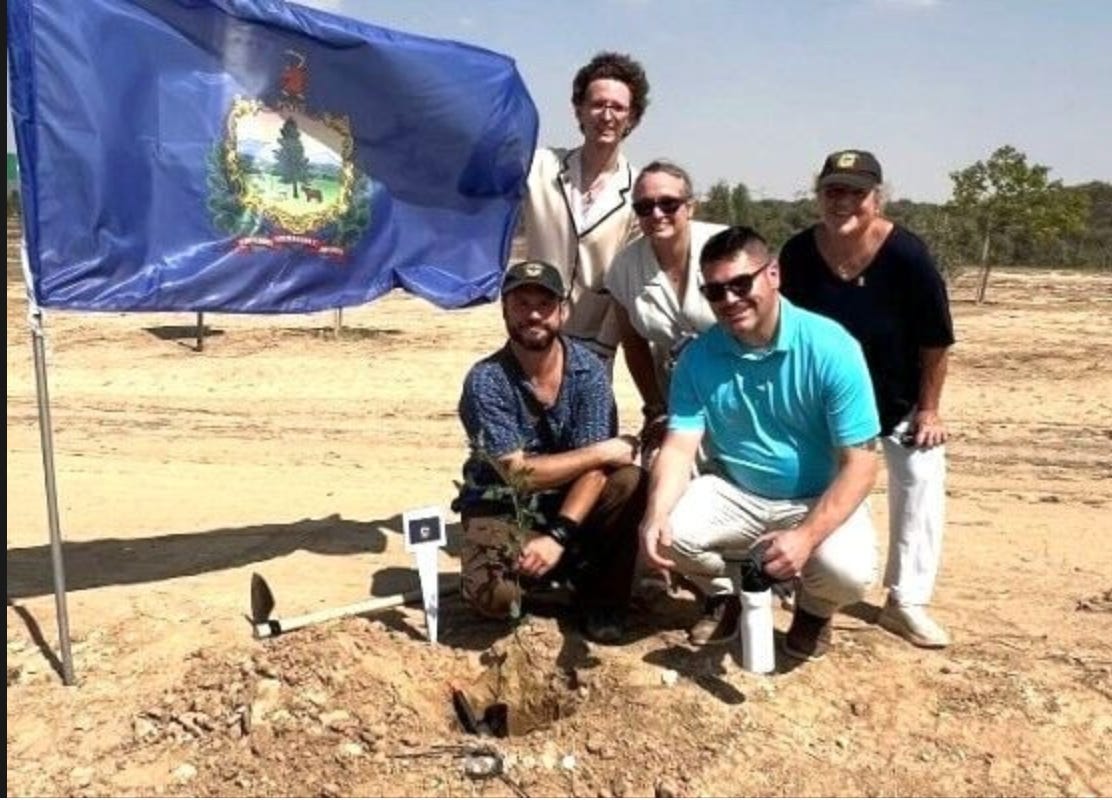
The Vermont political landscape saw a significant shake-up this morning. On January 5, 2026, the Jewish Voice for Peace Vermont-New Hampshire chapter (JVP VT-NH) formally filed ethics complaints against five sitting members of the Vermont House of Representatives.
The complaints center on a controversial diplomatic mission dubbed “50 States, One Israel,” which took place in September 2025. The filing alleges that by accepting an all-expenses-paid trip funded by the Israeli government during an active conflict, these legislators violated Vermont’s strict ethical standards regarding gifts and the appearance of ethical conduct.
This explainer breaks down exactly what happened, the laws in question, and why this situation has created a “gray zone” in Vermont’s otherwise robust political landscape.
Who Is Involved?
The complaint names a bipartisan group of five legislators:
Rep. Matt Birong (Democrat, Addison-3)
Rep. Will Greer (Democrat, Bennington-2)
Rep. Sarah “Sarita” Austin (Democrat, Chittenden-19)
Rep. James Gregoire (Republican, Franklin-6)
Rep. Gina Galfetti (Republican, Washington-Orange)
The complainants, the Legislative Work Group of JVP VT-NH, describe themselves as a grassroots progressive organization. While they hold a specific political stance adversarial to the current Israeli government, the ethics complaint they filed is a legal document based on Vermont statutes, independent of ideology.
The Trip: “50 States, One Israel”
To understand the complaint, we have to look at the trip itself. From September 14 to September 18, 2025, the Israeli Ministry of Foreign Affairs (MFA) hosted what they called the largest delegation of elected officials to visit Israel in history. Approximately 241 to 250 state legislators from across the U.S. attended.
The financial numbers are significant. According to independent analysis and reporting by Seven Days, the value of the trip was approximately $6,500 per legislator. This package included:
Roundtrip airfare to Tel Aviv.
Stays in luxury, five-star hotels.
Security, armored transport, and meals.
For the Vermont delegation alone, the total value of gifts accepted from a foreign government was approximately $32,500.
The Core Allegations
The complaint argues that the legislators violated Title 3, Chapter 31 of the Vermont Statutes in two specific ways:
1. Acceptance of Prohibited Gifts Vermont law states that public servants cannot accept gifts (anything of value) for “less than adequate consideration” (meaning they didn’t pay for it). While there are exceptions, JVP argues that a $6,500 luxury trip funded by a foreign government to lobby for specific legislation does not fit the “ordinary social hospitality” exemption.
2. The Appearance of Unethical Conduct The law requires legislators to act in a way that a “reasonable person” would view as ethical. The complaint argues that accepting gifts from the Israeli government at that specific moment created a severe appearance of impropriety.
The Context: “Gaza is Burning”
The timing of the trip is central to the ethical debate. The delegation was in Israel during a significant escalation of the war in Gaza.
On September 16, 2025—while the Vermont legislators were touring historical sites—Israeli Defense Minister Israel Katz posted on social media that “Gaza is burning”, coinciding with a major ground offensive. On that same day, a UN Independent International Commission released a report accusing the Israeli authorities—the same officials hosting the dinner for the legislators—of committing genocide.
The complaint alleges that a “reasonable person” would view dining with officials accused of war crimes, while the conflict raged nearby, as a violation of the public trust. This stands in stark contrast to Vermont’s federal delegation (Sens. Sanders and Welch), who used the term “genocide” to describe the war during that same week.
The Legislators’ Defense
The legislators have defended the trip as a necessary “fact-finding” mission. Representative Matt Birong told The Rake Vermont that he wanted to see the situation with his “own eyes” to combat AI-generated misinformation.
However, the itinerary was strictly curated. The delegation met with Prime Minister Netanyahu and Foreign Minister Gideon Sa’ar but did not meet with Palestinian leaders or human rights organizations. Minister Sa’ar explicitly urged the legislators to return home and pass laws against the BDS (Boycott, Divestment, and Sanctions) movement.
The Legal Loophole
You might be wondering: Did they break the law by not reporting the trip?
Surprisingly, the answer may be no. As uncovered by VTDigger and others, Vermont legislators are not explicitly required to disclose travel funded by foreign governments. While lobbyists must register and report gifts, foreign nations do not fall under Vermont’s lobbying registration laws.
This creates a “transparency blind spot.” The legislators may have violated the spirit of the ethics code, but they utilized a loophole regarding disclosure. Additionally, they may argue the trip was a “Gift to the State,” a legal exception usually reserved for official state business, though the validity of that claim for a foreign policy trip is untested.
What Happens Next
The filing of the complaint triggers a review process, but readers should be aware of a significant hurdle.
1. The Ethics Commission’s Power Due to Act 44 passed in 2025, the Vermont State Ethics Commission currently has limited investigatory powers. Full authority to issue subpoenas and sanctions was delayed by the legislature until September 2027. This means the Commission may lack the teeth to enforce a penalty, even if they find a violation occurred.
2. The Public Response While the legal outcome is uncertain, the political fallout is already occurring. Protests have already taken place in Bennington, and the rift between state and federal representatives is widening.
The Commission will now review the complaint for jurisdictional compliance. If accepted, a preliminary review will determine if the allegations warrant a full investigation—testing the limits of Vermont’s ethics laws in the face of international geopolitics.